

Last updated September 11, 2026
Full 25-point door and opener safety check with every visit - springs, cables, rollers, tracks, and your LiftMaster or Chamberlain opener included
You get a price before we start. It does not change when the truck arrives.
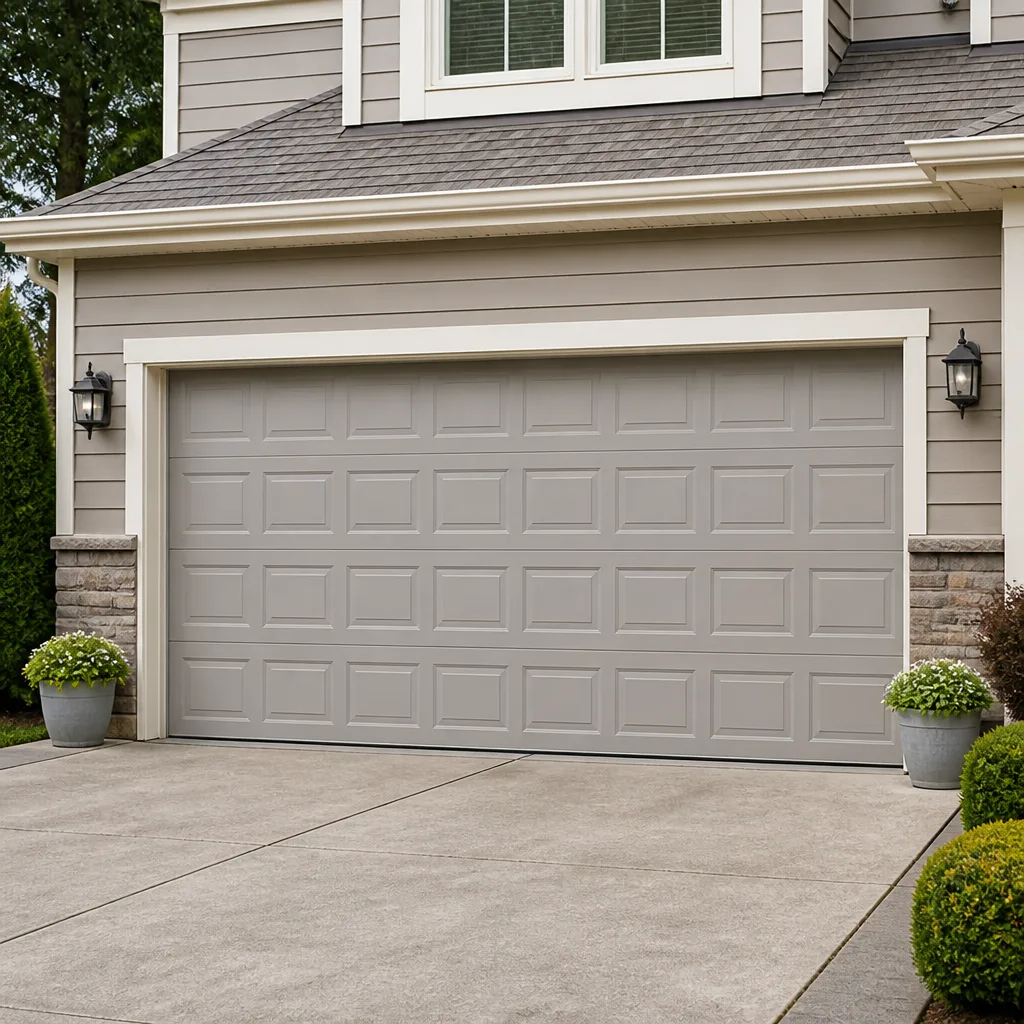
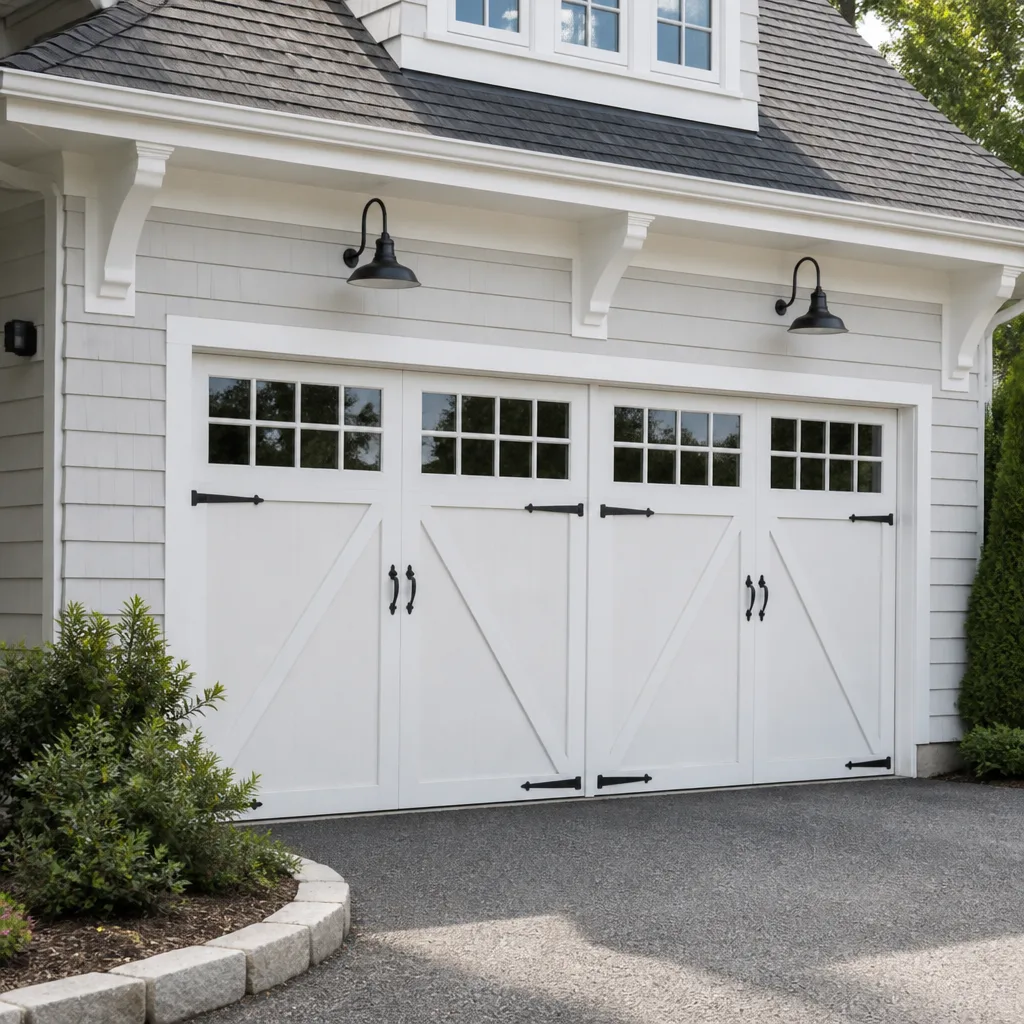
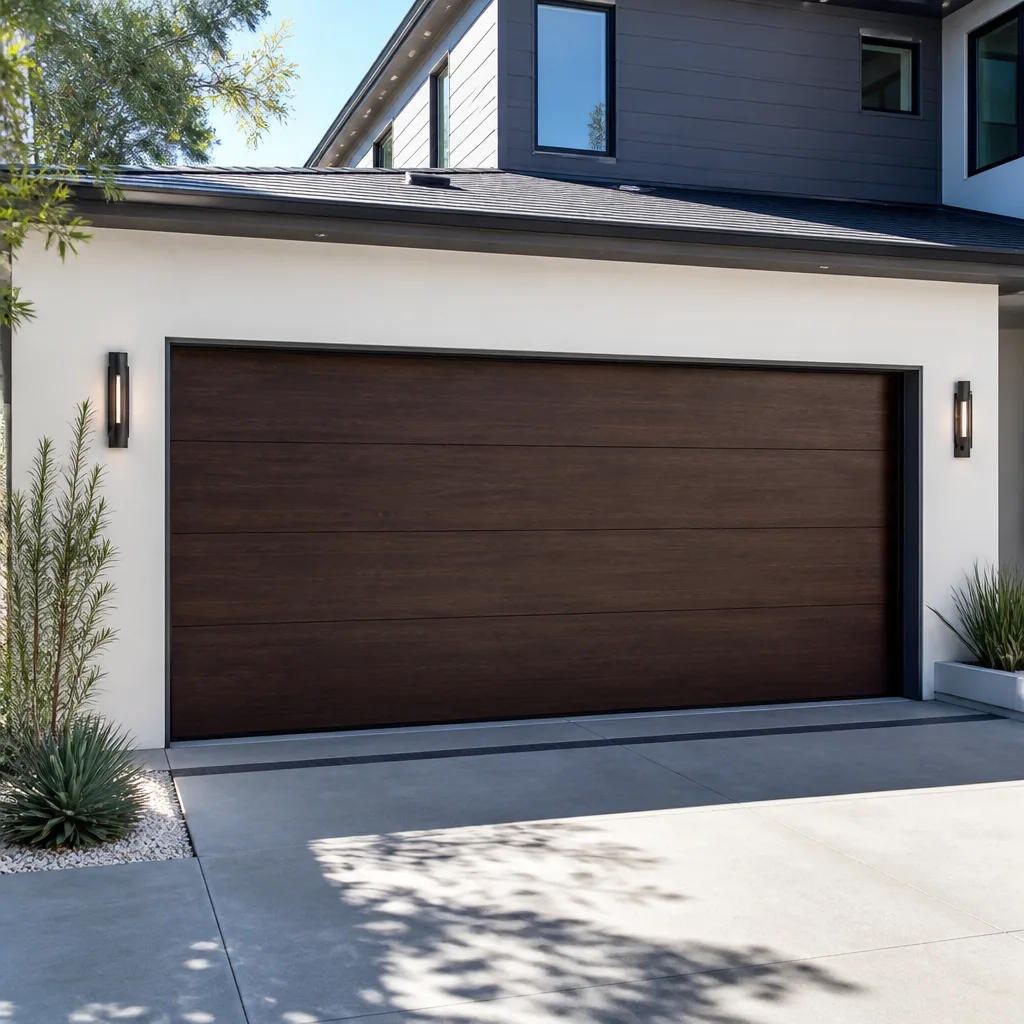
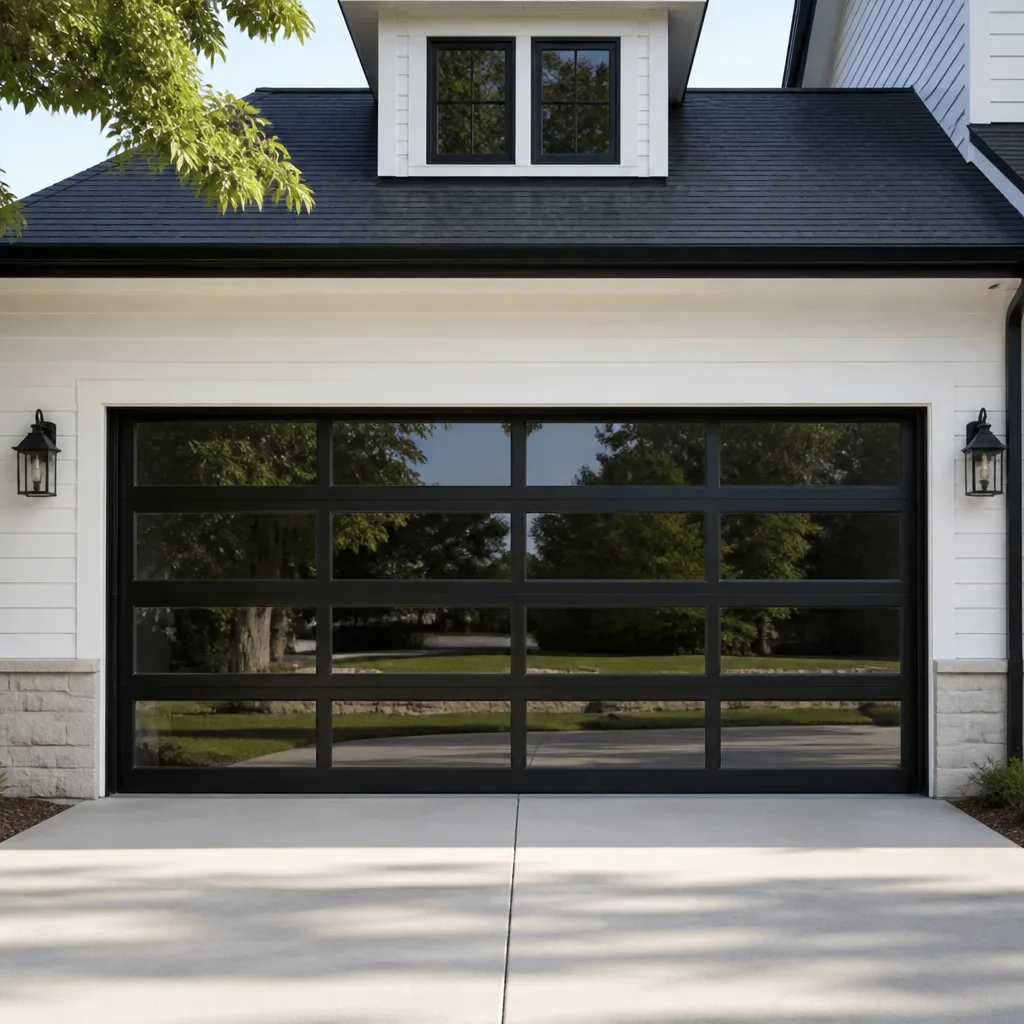
 Before
 After
After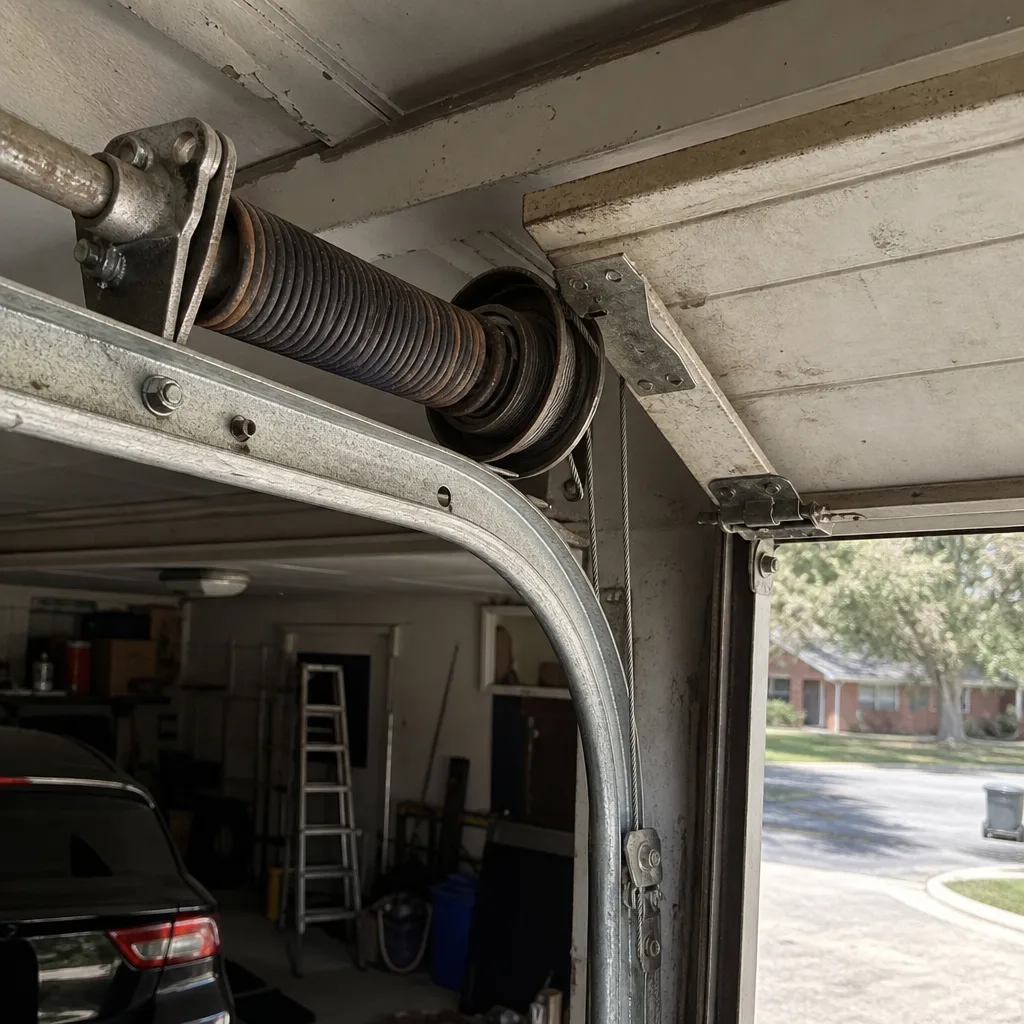 Before
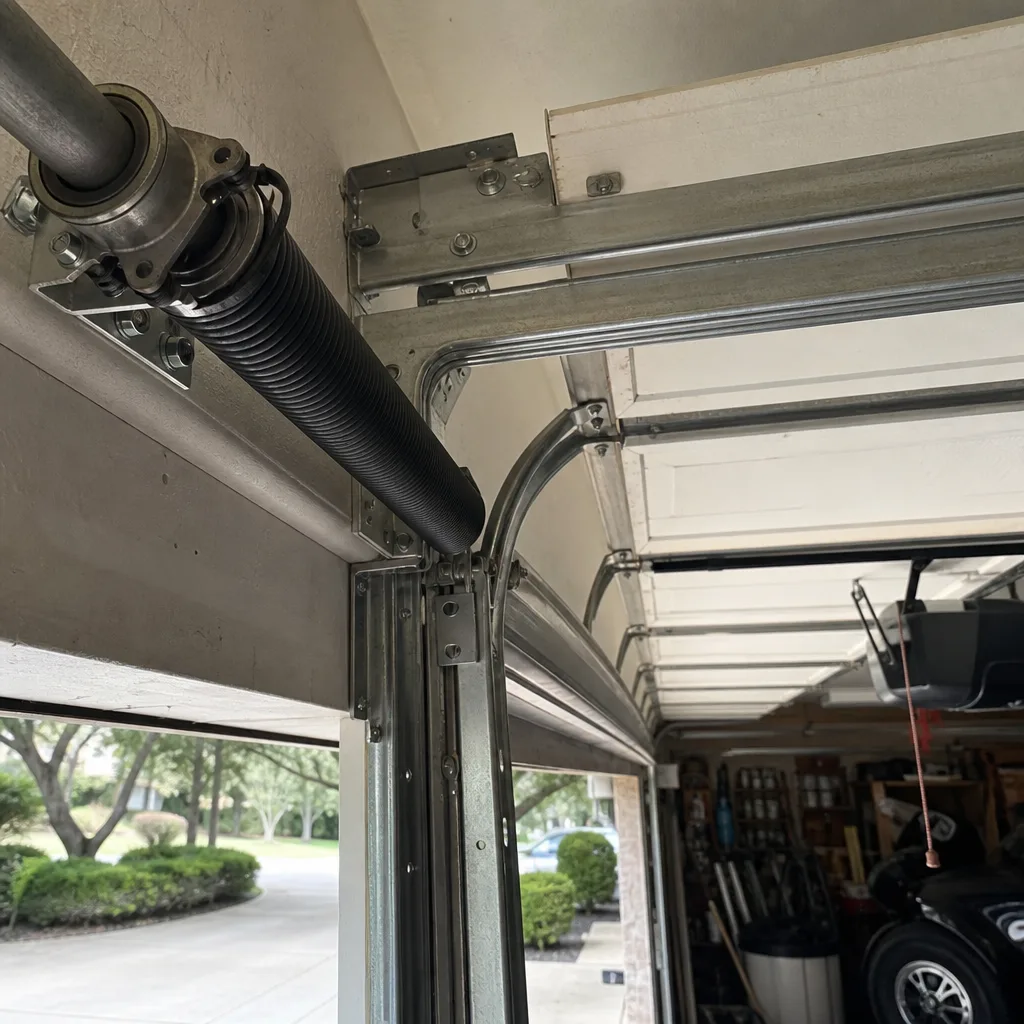 After
After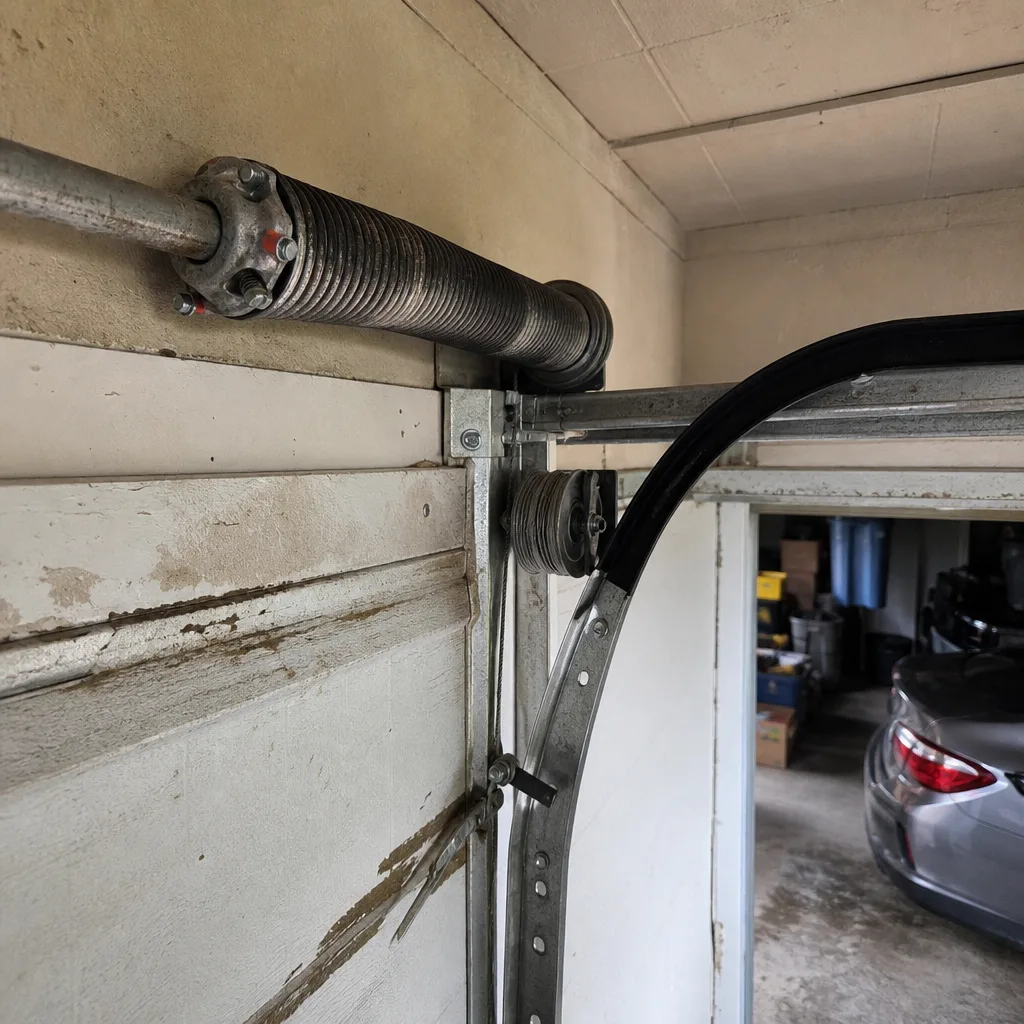 Before
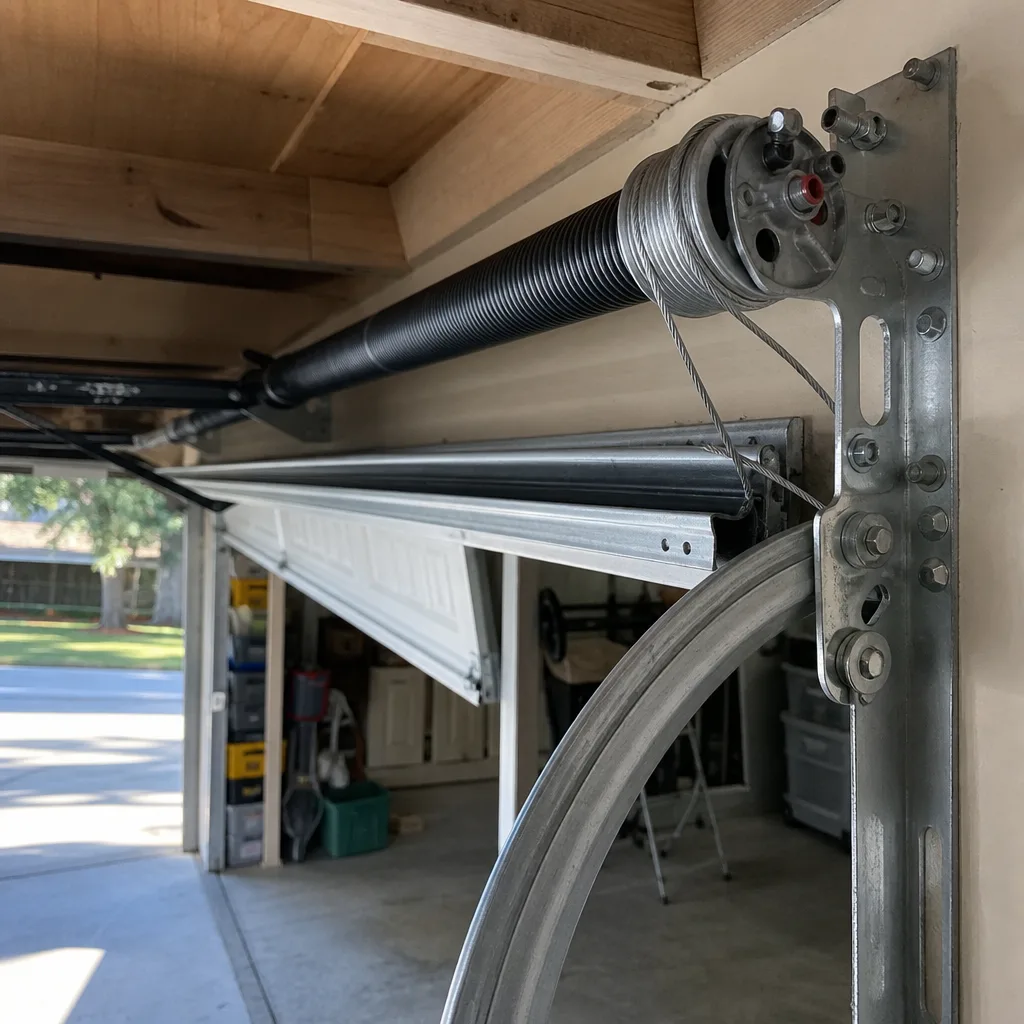 After
AfterGarage Door Permits, Codes & Inspections in TX: What You Need to Know
Texas has no single statewide residential garage door permit requirement. That sounds like good news until your HOA, your city, and Bexar County all have different rules that stack on top of each other, and the contractor you hired said “we don’t need a permit for that” without actually checking Hill Country Village’s municipal code. A garage door is 200 pounds riding on two springs, and the paperwork around it matters almost as much as the installation itself. This guide explains what actually applies to your property, what inspectors look for, and where unpermitted work comes back to bite you, usually at the worst possible moment. For more guides & resources, see our blog.
Quick Answer
Most standard garage door replacements in Hill Country Village do not require a building permit because they are classified as a like-for-like swap of non-structural components. However, any modification that changes the opening size, alters load-bearing framing, adds a new door where none existed, or involves electrical work for a new opener requires a permit from the City of Hill Country Village’s Building Department, not San Antonio’s. When in doubt, call the city directly and ask about your specific address before the first screw comes out.
Table of Contents
- How Texas Garage Door Permitting Actually Works
- Hill Country Village-Specific Rules and Who to Call
- The Threshold: When a Door Swap Becomes a Structural Change
- What Your Homeowner’s Insurance Does With Unpermitted Work
- The Inspection Process, Step by Step
- How Unpermitted Work Shows Up at Closing and What It Costs
- The HOA Overlay: Rules That Bite Harder Than City Code
- DIY vs. Licensed Contractor: When Saving $400 Costs You $4,000
- Common Mistakes to Avoid
- When to Call a Professional
- Frequently Asked Questions
- The Bottom Line
How Texas Garage Door Permitting Actually Works
Texas is what building officials call a “home rule” state for construction codes. There is no single state agency that issues residential garage door permits or enforces a universal standard. Instead, each incorporated city adopts its own building code, usually based on the International Residential Code (IRC), and each county handles unincorporated areas separately. For a homeowner in Hill Country Village, that means three layers of authority can apply to the same door: the city’s adopted code, Bexar County’s rules for anything outside city limits, and any HOA covenants that run with the deed.
Here’s what this means in practice. A door installed on a property inside Hill Country Village falls under the City of Hill Country Village’s jurisdiction. A door installed on a county island just outside the city line falls under Bexar County’s permitting process. The two processes are not the same, and the fees are not the same, and the person who answers the phone is not the same. A contractor who works mostly in San Antonio may genuinely believe the rules are uniform across the metro area. They are not. We’ve seen permits get pulled from the wrong jurisdiction and rejected at inspection because the wrong code official signed off on the wrong form.
So the first question is not “do I need a permit?” The first question is “which authority actually has jurisdiction over my address?” If you don’t know the answer, the door itself is the least of your problems.
What the IRC Says About Garage Doors
Texas cities that adopt the IRC enforce Section R309, which covers garages and carports, and Section R311-312, which covers egress and fall protection. For garage doors specifically, code enforcement focuses on three things: wind load resistance, fire separation between the garage and living space, and safety reversal systems on openers. The wind load requirement matters in Bexar County because we sit in a region where design wind speeds exceed 90 miles per hour. A door rated for 90 mph installed in a zone requiring 110 mph will fail inspection, and it will also fail in the next serious thunderstorm. We’ve replaced doors in Hill Country Village that buckled inward during a spring storm because someone installed a coastal-grade door that was never rated for our wind zone. Learn to spot problems early with our Garage Door Warning Signs: A Hill Country Village Homeowner’s Reference Guide.
When you replace a garage door with a similar-sized door in the same opening, the IRC treats it as a repair, not an alteration. No permit. When you change the opening size, reinforce the header, add a second door next to the first one, or cut a new opening into a load-bearing wall, you’ve crossed into an alteration, and a permit is now mandatory. The person pulling that permit should be the contractor, and their name goes on the paperwork. If a contractor won’t put their license number on a permit application, walk away. Our How to Hire a Garage Door Contractor in Hill Country Village: A Step-by-Step Guide shows exactly what to verify before signing.
Hill Country Village-Specific Rules and Who to Call
Hill Country Village is an independently incorporated city, which means you’re dealing with the City of Hill Country Village’s Building Department, not San Antonio’s Development Services. The city is small, and the building department is small, and sometimes the inspection takes a day or two longer than you’d like because the inspector is also handling three other things. That’s not incompetence; that’s a city of a few thousand people functioning like a city of a few thousand people. Plan for it.
The practical answer for a Hill Country Village homeowner is: call city hall at the number published on the city’s official website and ask directly about your project. Tell them the address, tell them whether you’re replacing an existing door or changing anything structural, and ask whether an electrical permit is needed for the opener. Write down the name of the person you speak with. If a permit is required, keep a copy of the issued permit in the same folder as your closing documents. That folder is what saves you at resale.
One thing that catches people off guard: Hill Country Village is a deed-restricted community. Many properties carry covenants that are stricter than city code. Some of those covenants require architectural review committee approval before any exterior change, including a garage door that faces the street in a different color or style than the original. Replacing a white raised-panel door with an identical white raised-panel door is usually fine. Replacing it with a carriage-house style door with windows and a two-tone finish might require committee sign-off first. The city won’t enforce that; the HOA will, and the HOA has lien power. On the subject of garage door repairs and what a professional actually checks for before quoting a job, see our guide to Garage Door Repair in Hill Country Village.
The Threshold: When a Door Swap Becomes a Structural Change
The simplest way to think about this is: does the new door fit in the same hole the old door came out of, and does it attach to the same framing? If yes, you’re doing a swap. If no, you’re doing an alteration, and the permit question is settled: you need one.
Here are the specific triggers in Texas code that move a project from “swap” to “alteration,” in plain language:
- Changing the opening width or height. This means cutting into the wall or the foundation. The header above the opening carries the roof load; modify it without an engineer’s stamp and you’re guessing with the structural integrity of your house.
- Adding a garage door where none existed. Converting a carport to an enclosed garage, for example. The code treats this as new construction, and you’ll need a permit plus possibly a foundation check and electrical inspection.
- Removing or relocating a load-bearing wall to widen the garage opening. Even moving a header six inches requires structural review.
- Installing a commercial-grade or oversized door on a residential opening. A 16-foot-wide door on a garage built for a 9-foot-wide single door means reframing, new headers, and likely a new foundation anchor. This is a different animal.
- Adding an opener where no electrical circuit exists. New electrical work in a garage requires an electrical permit in Hill Country Village. A licensed electrician or a licensed contractor with electrical endorsements pulls that permit.
We see this threshold misunderstood constantly. A homeowner replaces a wooden door with a steel insulated door the same size: no permit. A homeowner decides to convert a carriage-house style single door to a double door because they bought a second car: permit, engineer, header work, done properly, or they’re back in a year with a sagging wall and a door that binds every time it opens.
The rule of thumb from twenty years of doing this in this county: if the job requires a saw on your wall framing or a new circuit in the panel, pull the permit. If it’s a door off the track and a new door on the same track, it’s a repair, and you don’t need anyone’s permission.
What Your Homeowner’s Insurance Does With Unpermitted Work
Most Texas homeowner’s policies carry a clause that reads something close to this: “We do not cover loss caused by work performed without required building permits.” Insurance adjusters know this clause by heart. When a garage door fails and damages a vehicle, or a spring breaks and injures someone, or a door installed without a permit causes structural damage, the adjuster’s first question is: was a permit required, and was one pulled?
If the answer to the first question is yes and the second question is no, your claim can be reduced or denied outright. We have talked with Hill Country Village homeowners who installed a door through a handyman, never pulled a permit because the handyman said it wasn’t needed, and then had a wind event tear the door out of the opening. The adjuster looked at the installation, asked for the permit, and denied the structural portion of the claim. The homeowner paid out of pocket for a full reframe and a new door. That’s not a hypothetical. That happens.
Also understand: insurance policies cover sudden and accidental damage. They do not cover code upgrades required by an inspector after the fact. If an unpermitted installation is discovered and the city requires you to bring the work up to current code before it will sign off, the insulation upgrade, the wind-rated fasteners, the opener reversal system, all of that is on you. None of it is covered by insurance. The math is simple: a permit fee is a few hundred dollars. Remediation after a denied claim is thousands, and sometimes tens of thousands if the framing is involved.
If you’re adding a new opener along with the door, the electrical permit matters for the same reason. An unpermitted circuit that causes a fire gives the insurance company an exit ramp. If you’re in the market for a new door entirely, our page on Garage Door Installation in Hill Country Village covers what a proper permitted installation should include.
The Inspection Process, Step by Step
Most people never see a garage door inspection unless they’ve had a major structural job or an insurance claim. Here’s the process in plain terms, drawn from guiding dozens of Hill Country Village homeowners through it.
- Permit application. The contractor submits plans, or at minimum a project description, to the City of Hill Country Village Building Department. The application names the contractor and lists their license number. No license, no permit. That’s not a city being difficult; that’s the city protecting you from a person with a truck and a toolbox and nothing to lose.
- Plan review. For a simple door replacement, this stage is typically quick. For anything involving structural change, the city may require an engineer’s stamped drawing. This is where “cut the opening wider” turns into a real project with real paperwork.
- Rough inspection. For full structural jobs: the inspector checks the framing, the header size, the fasteners, and the anchor points before the door is hung. If the framing fails here, the job stops until it’s corrected. This is exactly where unlicensed work gets exposed.
- Final inspection. The door is installed, the inspector comes out and checks: balance, travel limits, auto-reverse sensors, safety reversal on the opener, wind-load fasteners, and fire separation between garage and house. In Hill Country Village, the inspector will also check that the door operates from both the wall control and the remote, and that the emergency release rope is accessible.
- Certificate of approval. The city signs off, and you keep that paper. That paper is the difference between a smooth resale and a closing that falls apart.
What fails most often, by a wide margin: auto-reverse sensors that aren’t aligned or are mounted more than six inches off the floor. Second most common: a door that isn’t balanced, so the spring system is doing too much or too little work. Third: manual release cords that are too short, too long, or tied up out of reach. None of these are complicated fixes, but they’re all things an inspector will flag every time.
How Unpermitted Work Shows Up at Closing and What It Costs
Title searches do not directly look for building permits. But buyer’s inspectors, appraisers, and increasingly title companies’ due-diligence checklists do. When a home in Hill Country Village goes under contract, the buyer’s inspector walks the property, and if the garage door looks newer than the building records suggest, or if the door is a different size than the original plans show, questions get asked. “When was this installed? Was a permit pulled? Who did the work?”
If the seller cannot produce a permit and the work required one, the buyer has three options: walk, demand a price reduction, or demand the seller remediate the permit issue before closing. Remediation usually means hiring a licensed contractor to inspect the work, fix anything not up to code, and attempt to pull an after-the-fact permit with the city. That process in Bexar County routinely costs between $1,500 and $5,000 in contractor fees, permit penalties, and correction work. And the seller pays it, because the buyer has all the leverage at that point. We’ve done remediation jobs in Hill Country Village where the seller of a $600,000 home had to write a check for $3,800 to fix an unpermitted door installation done six years earlier by a guy they found on a neighborhood app. That $3,800 could have been a $200 permit in year one.
Doing it right the first time is not bureaucratic box-checking. It’s the cheapest insurance policy you’ll ever buy on your house. If your opener is the issue rather than the door itself, we cover those specifics in our Garage Door Opener in Hill Country Village page.
The HOA Overlay: Rules That Bite Harder Than City Code
Hill Country Village is one of the most deed-restricted cities in Bexar County. Many homes sit under HOA covenants that predate the current building code by decades, and those covenants often impose design rules the city doesn’t care about. The city cares about safety. The HOA cares about aesthetics. Both can stop your project.
Here’s what we tell every homeowner in Hill Country Village before we start a door job:
- Check your HOA covenants before you choose a door style. Swapping a solid panel for a windowed carriage style may require architectural review. Some HOAs in the village restrict window count, window shape, and even the direction the panels face.
- Color matters more than you’d think. Some covenants list acceptable exterior colors. A garage door in a color not on the list can trigger a violation letter even if the door itself is the exact same size and style as the original.
- Get approval in writing. An email from the HOA president saying “looks fine to me” is not approval. Get the architectural committee’s sign-off, and keep it with your permit paperwork.
- Know that HOA violations can become liens. An unapproved door violates the covenants, and repeated violation notices can escalate to a lien on the property. That lien shows up at title search and creates the same closing problem as an unpermitted installation.
The city inspector and the HOA inspector are checking different things. Ignore either one and you’ve created a problem you didn’t have to have.
DIY vs. Licensed Contractor: When Saving $400 Costs You $4,000
There’s a specific moment in every garage door job where the homeowner makes the decision that determines whether this project goes smoothly for twenty years or becomes a recurring headache. It’s usually the moment they’re standing in the garage looking at the old door and thinking, “How hard can it be?”
Here’s the honest answer. Replacing a garage door panel-by-panel on a modern sectional door is physically doable for a competent DIYer on a weekend. Replacing the springs, on the other hand, is the single most dangerous thing a homeowner can attempt without training. Torsion springs are under hundreds of pounds of torque. A spring that lets go while you’re winding it doesn’t give you a warning. It gives you a hospital visit or worse. We don’t say that to scare you. We say it because we’ve seen the aftermath of a spring that let go in the wrong hands, and it’s not something you unsee.
Code and permit questions aside, the practical difference between a licensed contractor and a DIY job on the wrong component:
- A licensed contractor pulls the permit when one is required and stands behind the work with a written warranty. A DIY job has no one to call.
- A licensed contractor buys the correct wind-rated door for Bexar County’s wind zone. A DIYer buys what’s on sale at the big-box store and hopes for the best.
- A licensed contractor has the liability insurance that covers the unlikely event something goes wrong. A DIYer’s homeowner’s policy may or may not cover a self-installed door failure.
- A licensed contractor knows which HOA rules in Hill Country Village actually get enforced. A DIYer finds out by receiving the violation letter.
We’ve replaced doors in Hill Country Village that were DIY-installed and failed within two years because the tracks were misaligned, the springs were the wrong cycle rating, and the weather seal was installed backward so water ran into the garage every time it rained. The homeowner saved $400 and spent $2,100 fixing it. The next door lasted fifteen years because it was installed by someone whose name is on the license.
Common Mistakes to Avoid
- Believing a contractor who says “we don’t need a permit” without checking. We’ve seen this exact phrase used by contractors who didn’t want to spend the time pulling paperwork. If the job is anything more than a like-for-like swap, verify with the city before signing.
- Pulling a permit from the wrong jurisdiction. Hill Country Village is not San Antonio. The permit that works in one doesn’t transfer to the other. Know which authority covers your address.
- Ignoring HOA covenants until the violation letter arrives. The HOA will find out. In a community this size, the HOA always finds out.
- Skipping the electrical permit when adding a new opener. An unpermitted circuit is an insurance risk and a resale problem waiting to happen.
- Replacing a door with a different size and calling it a repair. Changing the opening size is an alteration. Full stop. If you cut the wall, you pull the permit.
- Throwing away the permit after the job is done. That paper is worth money at resale. Keep it with your closing documents.
- Hiring on price alone. The cheapest bid on a garage door job in Hill Country Village is usually cheap for a reason: no license, no insurance, no permit, and no one to call when the spring lets go at nine at night.
When to Call a Professional
If you’re replacing a door with the same size door in the same opening and the opener is already wired and working, this is a straightforward job a competent contractor handles in a day. If you’re touching springs, changing the opening size, adding outlets, or dealing with a door that’s off its tracks, call someone with a license and insurance. If your HOA wants architectural committee approval before you proceed, a contractor who knows Hill Country Village can help you navigate that process without three rounds of rejected submissions. We’ve done it for neighbors here for twenty years. If you’re anywhere in the research stage and want a straight answer about permits on your specific property, Otto’s Garage Door offers free estimates in Hill Country Village. Call (830) 215-8185 and talk to a live person. No call center, no national dispatch. You’ll get the name of the person who’ll show up, and the quote you get on the phone is the price you’ll see on the invoice.
Frequently Asked Questions
No permit is required for a like-for-like replacement where the new door fits the same opening and attaches to the same framing. A permit is required if you change the opening size, add a door where none existed, modify load-bearing framing, or add new electrical work for an opener. When in doubt, call the City of Hill Country Village Building Department and ask about your specific address. And if you want a second set of eyes on the job, call (830) 215-8185 and we’ll tell you what we see.
A buyer’s inspector will likely flag it, and you’ll either need to remediate the permit issue before closing or accept a price reduction. Remediation in Bexar County typically runs between $1,500 and $5,000. The permit itself would have been a fraction of that.
A handyman can technically perform a simple door swap, but they cannot pull a permit in Hill Country Village without a state license, and most handymen carry no liability insurance. That means the financial risk of a failed installation or an injury on your property sits with you. A licensed contractor puts their license number on the paperwork and their insurance on the job.
A final inspection for a residential garage door typically takes twenty to forty minutes on site. The inspector checks balance, safety reversal systems, wind-load fasteners, fire separation, and overall operation. Small-city scheduling can add a day or two compared to San Antonio’s faster turnaround, so build that into your timeline.
Most policies exclude coverage for damage caused by work done without required permits. If your door fails and the installation required a permit you didn’t pull, the insurer can reduce or deny the claim. Pulling the permit is cheap insurance against losing a much larger coverage amount.
Yes. Chamberlain and Genie openers meet the federal safety reversal requirements when installed with aligned sensors, and Clopay and Amarr doors are available with wind-load ratings appropriate for Bexar County’s wind zone. The brand matters less than the installation and the permit compliance. A properly installed, wind-rated Clopay door will pass inspection; a premium brand installed incorrectly will not. Call (830) 215-8185 for a free estimate and we’ll match the right door to your opening and your code requirements.
The Bottom Line
The permit question for garage doors in Texas comes down to one distinction: did you change the hole, or did you fill the hole? If you filled it with the same-sized door, you’re doing a repair, and no permit is needed. If you changed the hole, you’re doing an alteration, and a permit is mandatory. Hill Country Village adds its own layer of city code enforcement and HOA covenants, both of which have teeth. Pull the permit when it’s required, keep the paperwork, and hire someone who puts their license number on the application. A garage door is 200 pounds riding on two springs. Respect it. Do the paperwork. It’s cheaper than the alternative.
Need direction on a garage door project in Hill Country Village? Call (830) 215-8185. We’ll tell you exactly what your project needs and what it’ll cost, before anything gets signed. Visit the Otto’s Garage Door home page for more on how we work.
Written by Otto Reinhardt, Owner at Otto’s Garage Door, serving Hill Country Village since 2004.