
Last updated September 11, 2026
Full 25-point door and opener safety check with every visit - springs, cables, rollers, tracks, and your LiftMaster or Chamberlain opener included
You get a price before we start. It does not change when the truck arrives.
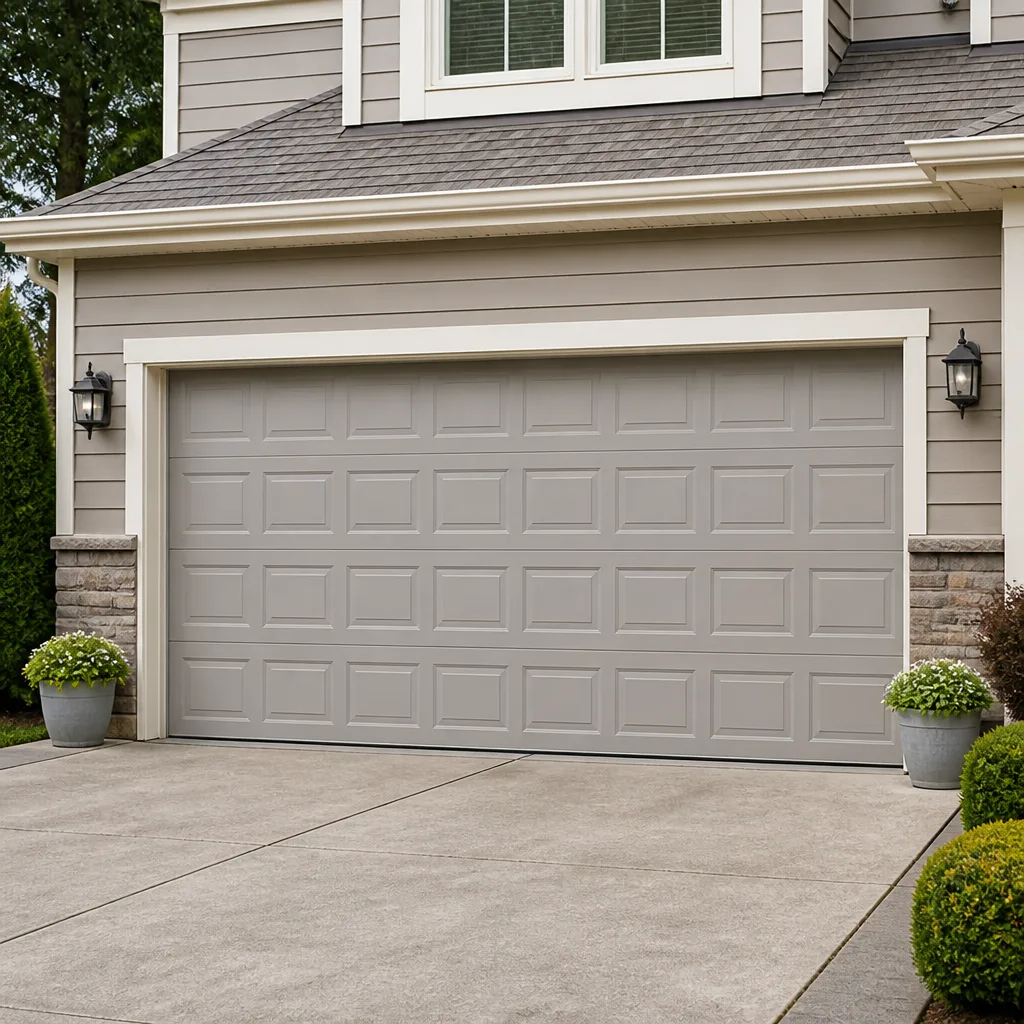
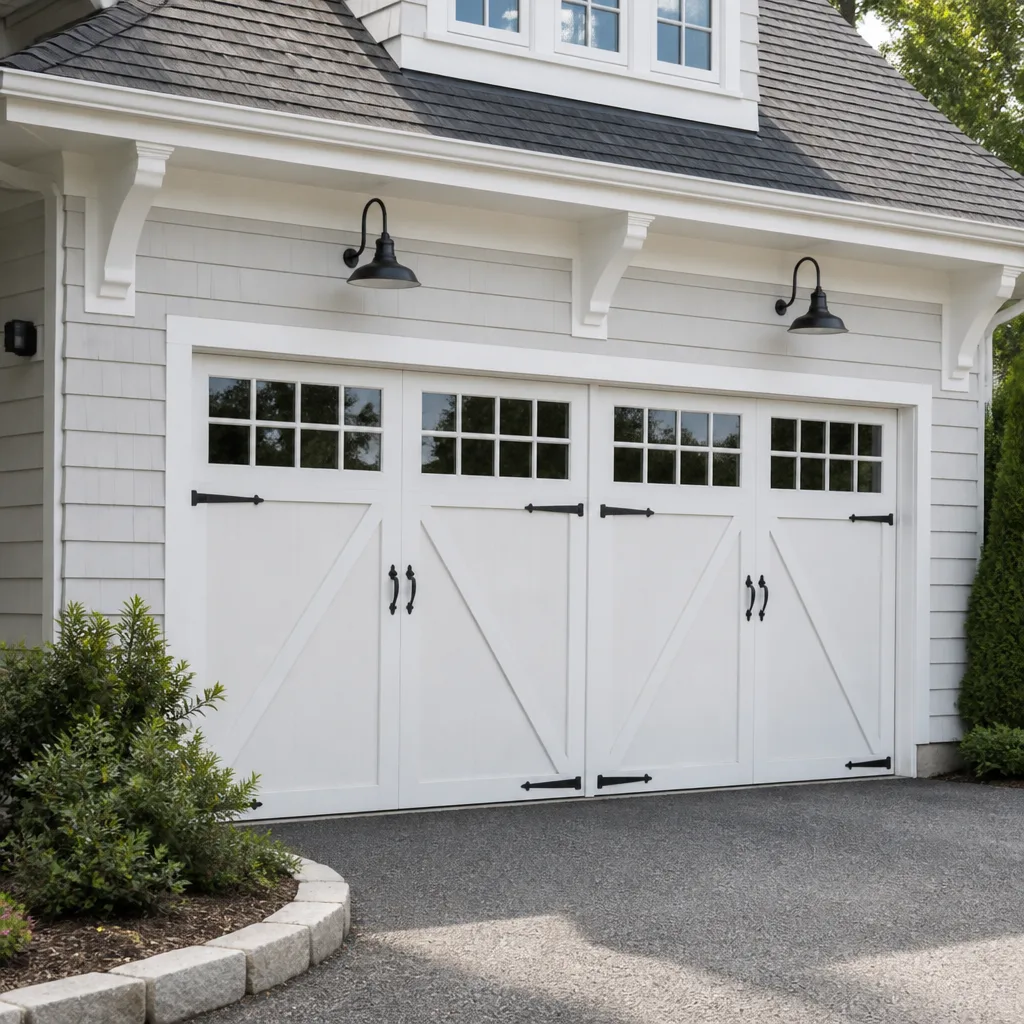
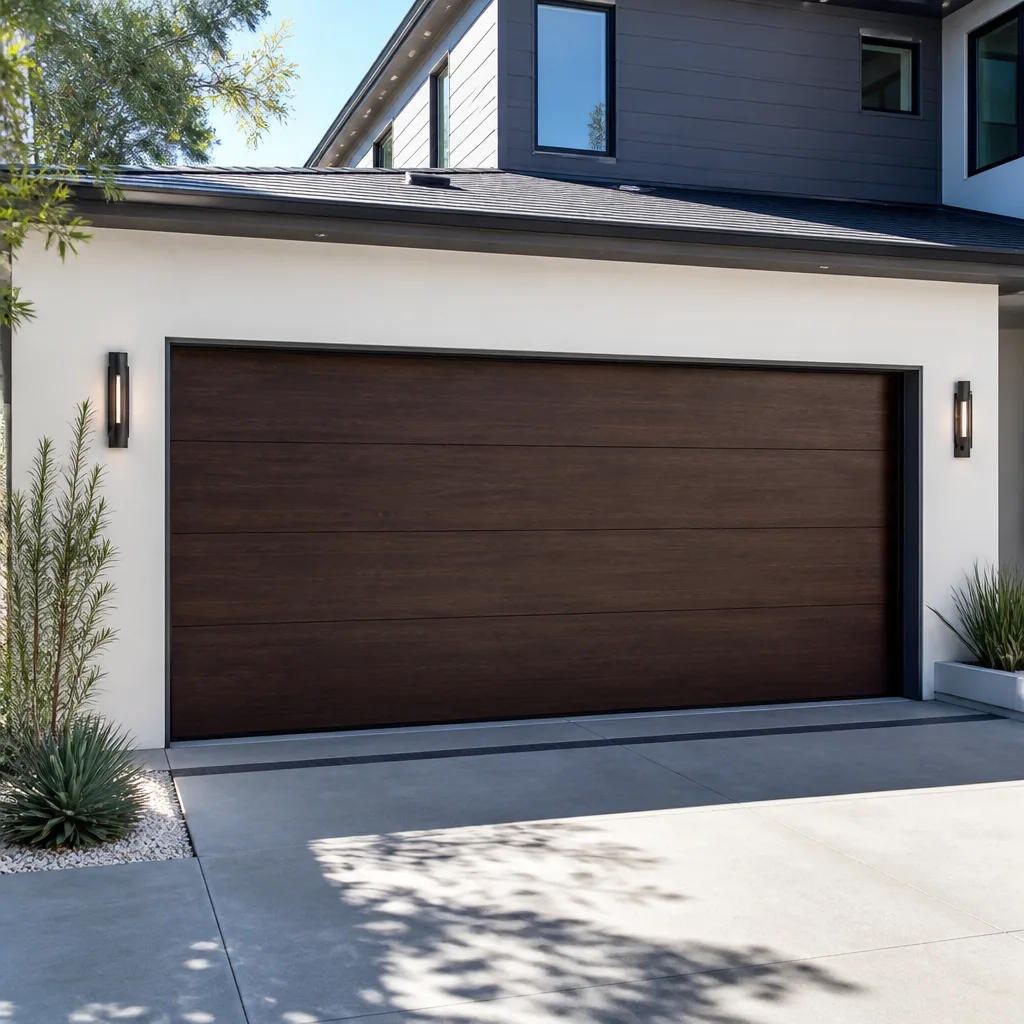
 Before
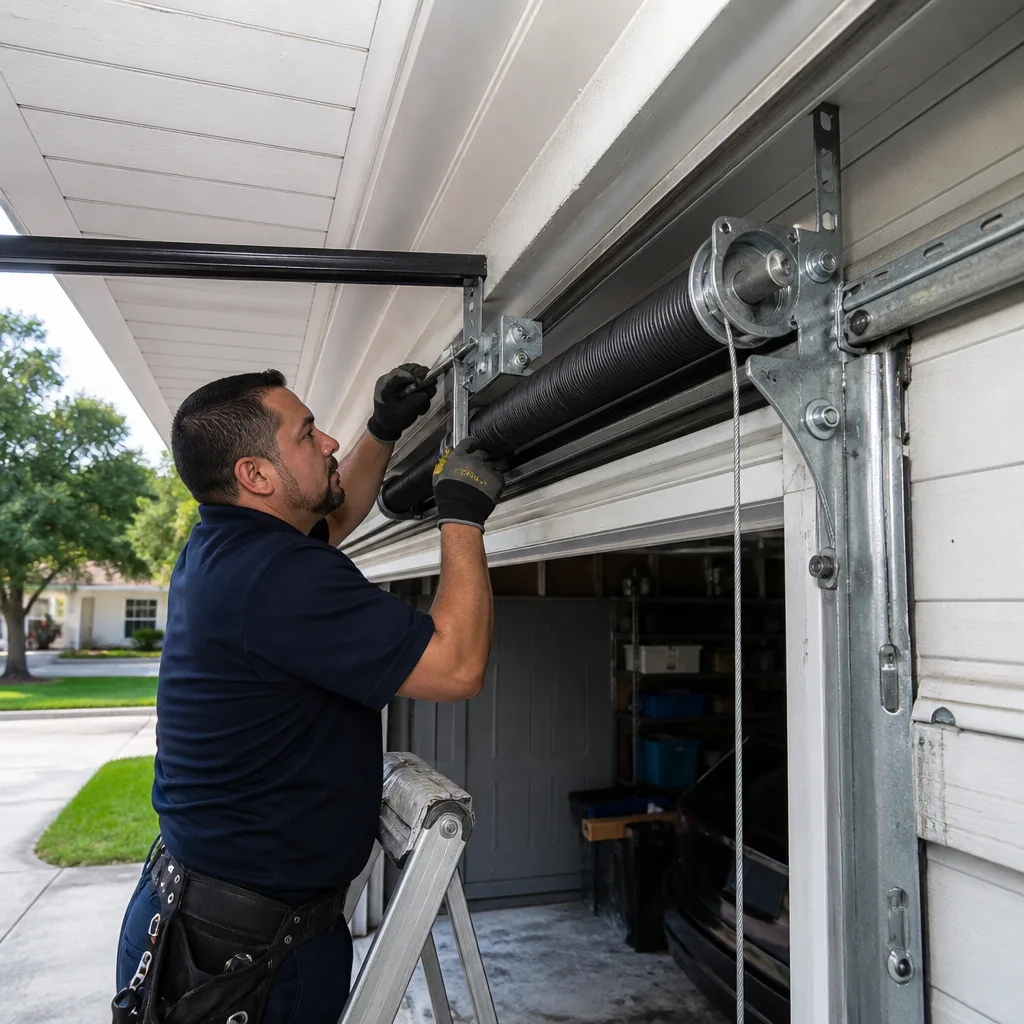 After
After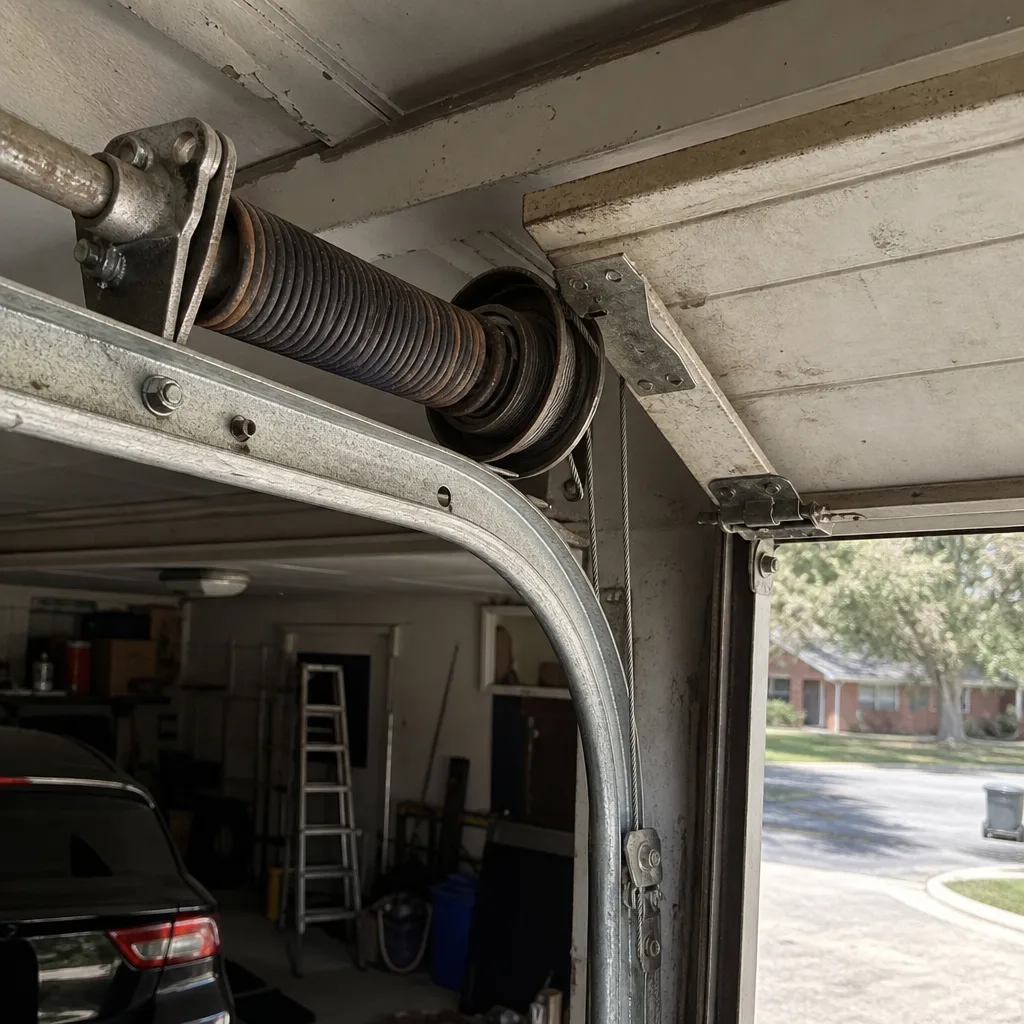 Before
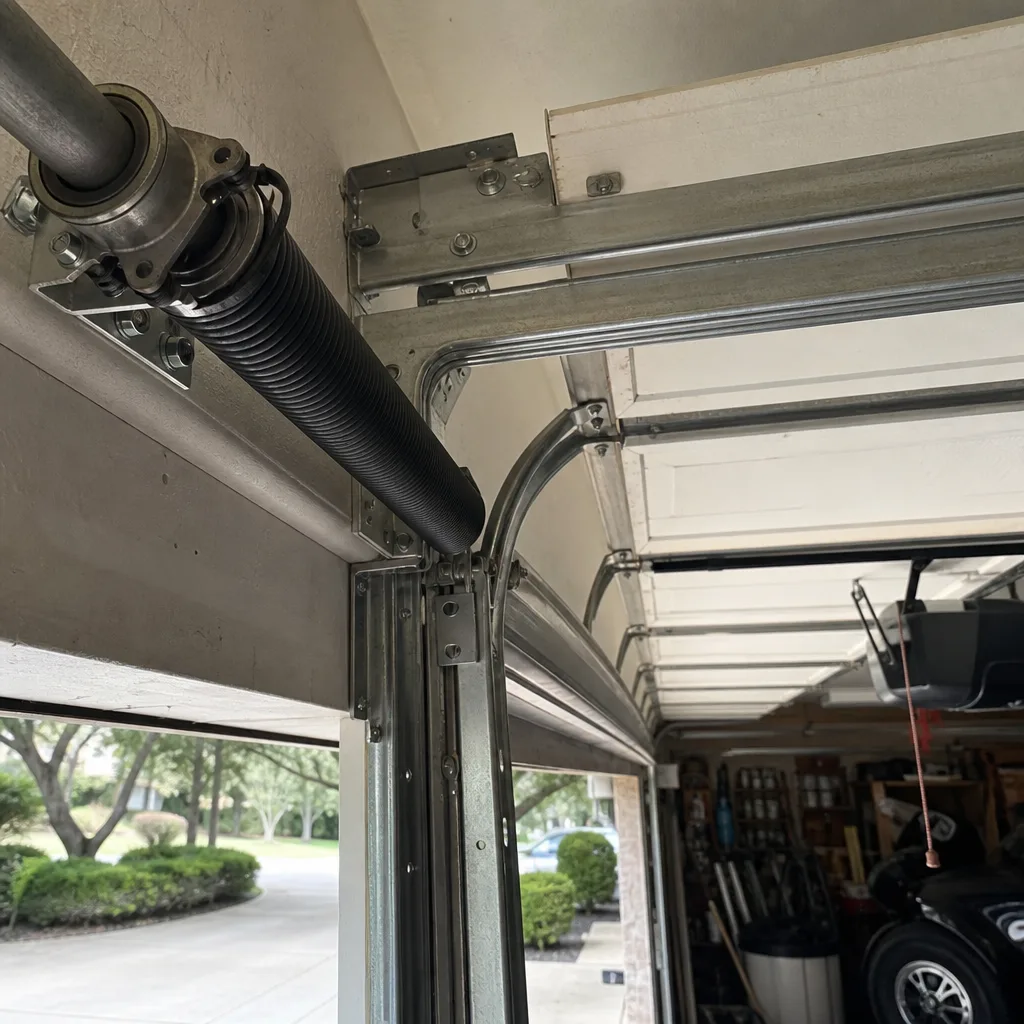 After
After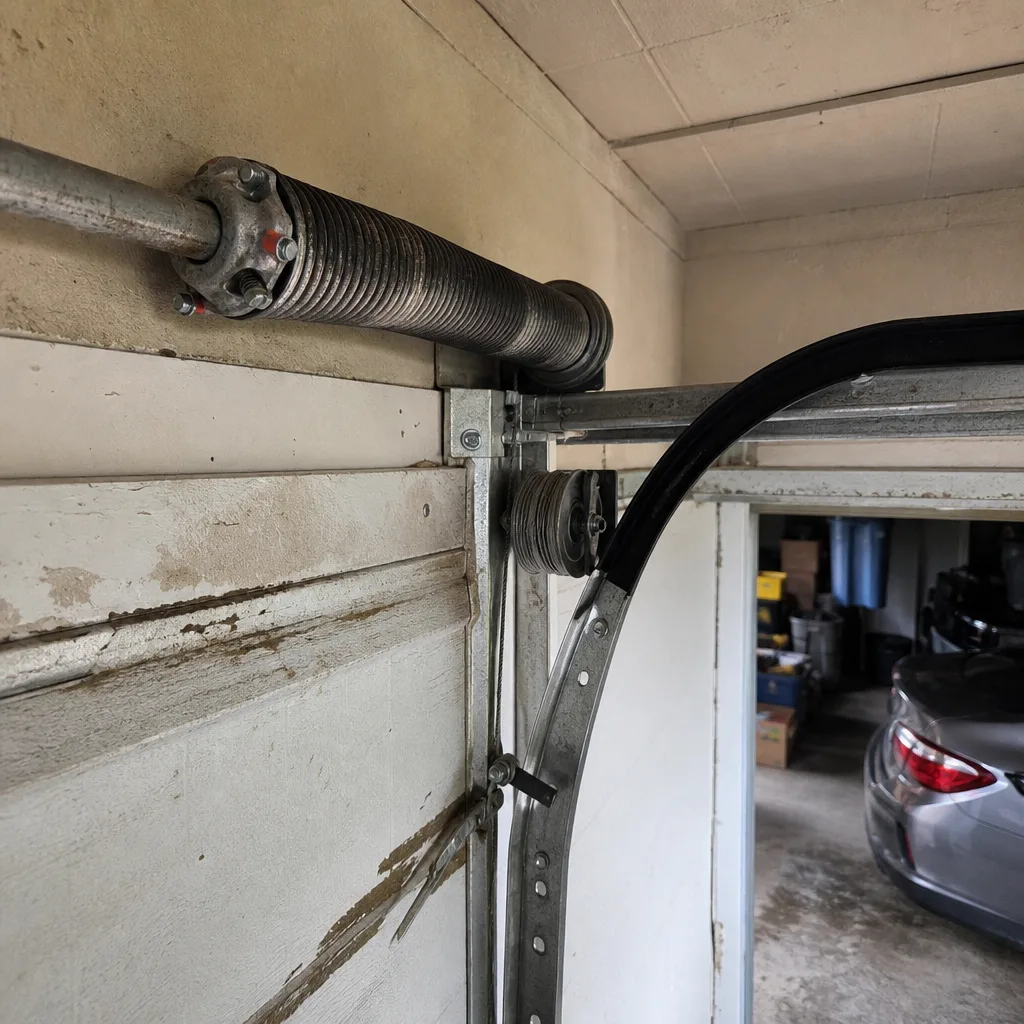 Before
 After
AfterGarage Door Repair Maintenance Checklist for Hill Country Village Homeowners
The single most common call Otto gets after a homeowner “did some maintenance” is a snapped cable. Somebody read a generic checklist that said “check cable tension” without explaining that adjusting it yourself on a torsion-spring system is how people end up in the ER. A garage door is 200 pounds riding on two springs. Respect it. This checklist tells you exactly what’s safe to handle, what to hand off, and what to stop doing immediately if you’ve already started. See our How to Hire a Garage Door Contractor in Hill Country Village: A Step-by-Step Guide if you need professional help. Hill Country Village homes tend to have wider doors, heavier wood overlays, and more temperature swings than the average Texas suburb, which means your maintenance schedule matters more here than it does twenty minutes south.
Quick Answer
A safe garage door maintenance routine for Hill Country Village homeowners comes down to this: lubricate the rollers, hinges, and springs with a silicone-based spray every six months; wipe the sensor lenses monthly during pollen season; test the door’s balance quarterly by pulling the release handle; and call a professional for anything involving cables, springs under tension, or track adjustments. That’s the whole list. Everything beyond it either wastes your Saturday or risks a hospital visit.
Table of Contents
- The Monthly Tasks Any Homeowner Can Handle
- Lubrication: Exactly What to Use and What Will Ruin Your Door
- The 90-Second Balance Test (No Tools, No Spring Touching)
- Weather Seals After Hill Country Village Storm Season
- Cedar and Oak Pollen: Why April and May Are Different Here
- The Seasonal Checkup: What Otto Looks For on Every Hill Country Village Visit
- Common Mistakes to Avoid
- When to Call a Professional
- Frequently Asked Questions
The Monthly Tasks Any Homeowner Can Handle
Let’s be straight about what “maintenance” means for a garage door. Most of the work is observation. You’re looking for changes, not fixing things. A door that’s been running fine doesn’t need intervention; it needs watching. Here’s what’s genuinely safe to do every month, even if you’ve never held a wrench in your life.
- Watch and listen to one full cycle. Stand inside the garage and run the door up and down once. Listen for grinding, squealing, or hesitation. The door should move at the same speed the whole way. If it slows near the bottom or jerks at the top, write down where it happened. That detail cuts diagnosis time in half when you call us.
- Wipe the sensor lenses. Use a dry microfiber cloth. No cleaner, no water. Dust and pollen film on the lens is the number one reason a door reverses for no reason. Takes ten seconds per side.
- Check the door’s alignment in the tracks. Stand back and look at the gap between the door edge and the track on both sides. It should be even from top to bottom. If one side sits closer, don’t force anything. Call someone whose truck is already in Hill Country Village.
- Scan the floor under the door for unusual debris. Small piles of rubber shavings mean your weather seal is disintegrating. A few drops of oil near the track are normal right after lubrication; a puddle is not.
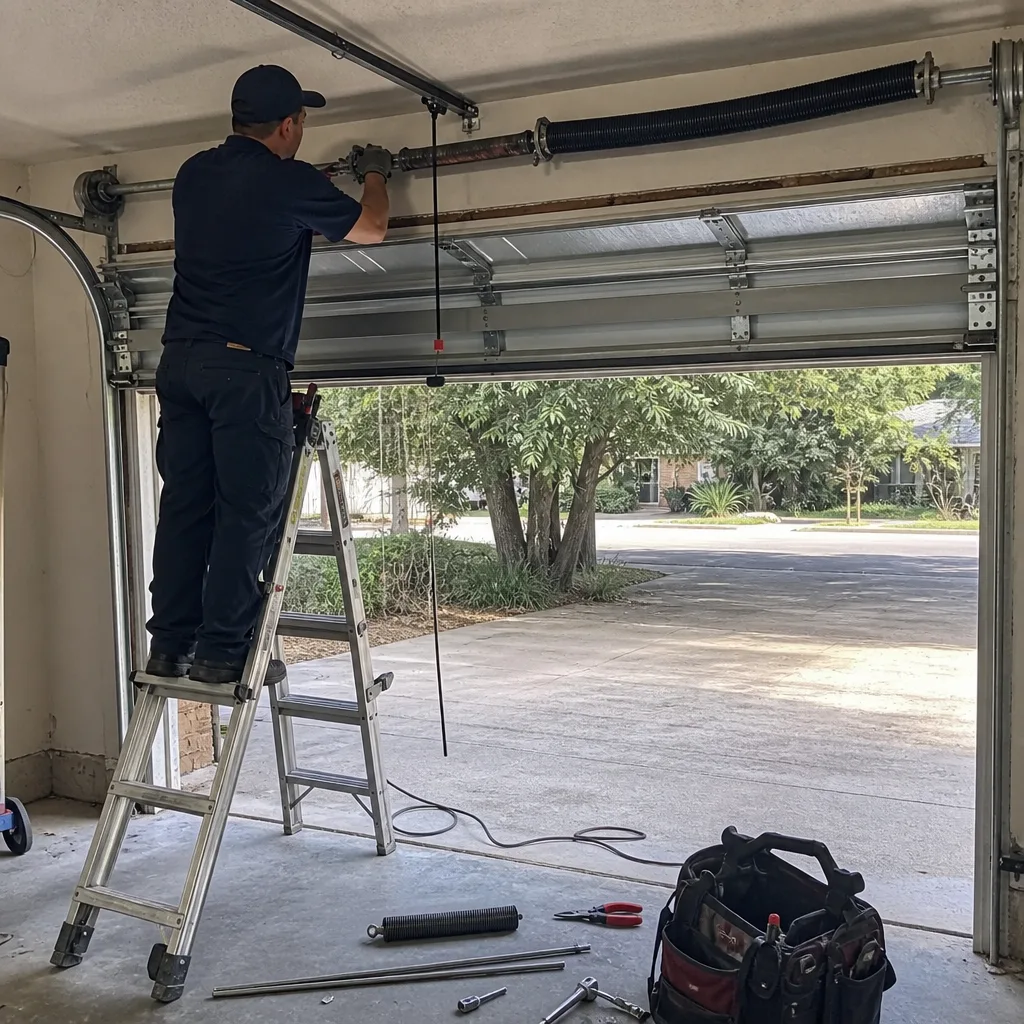
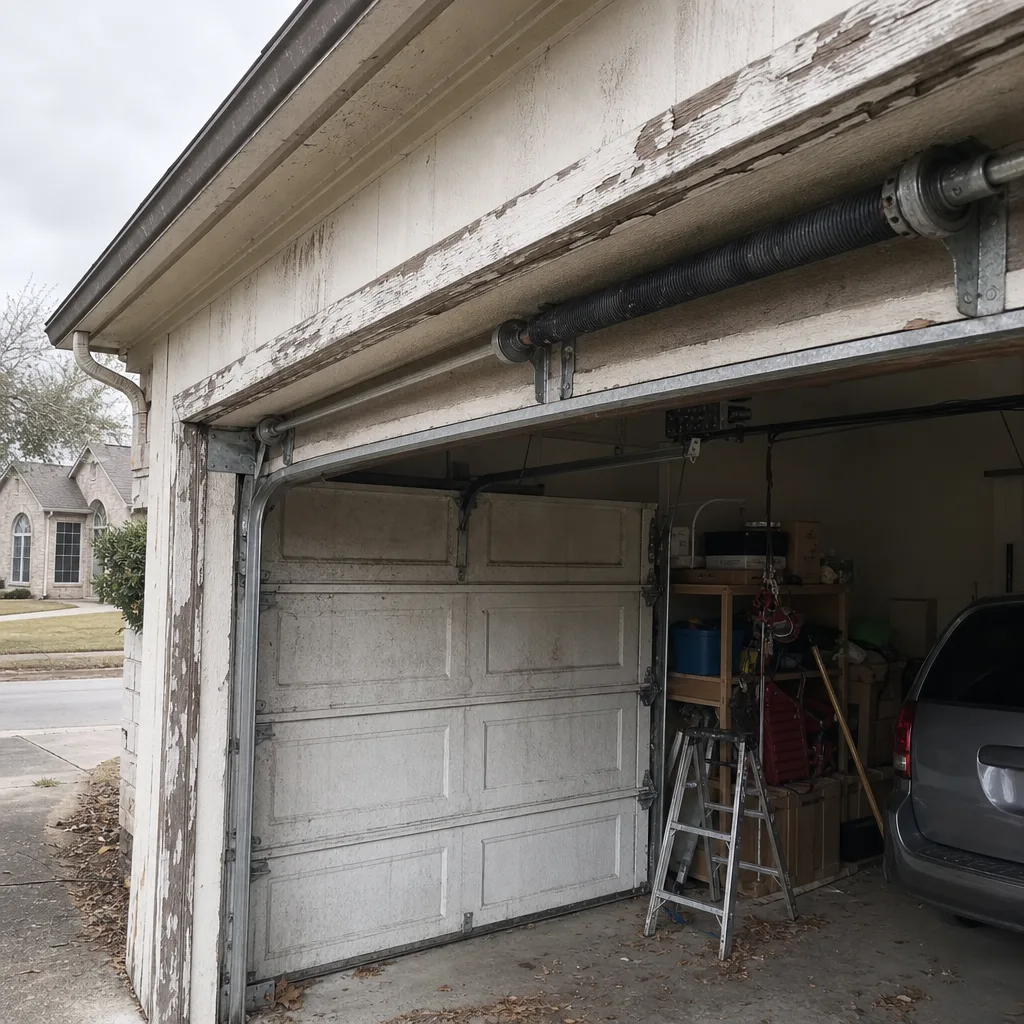
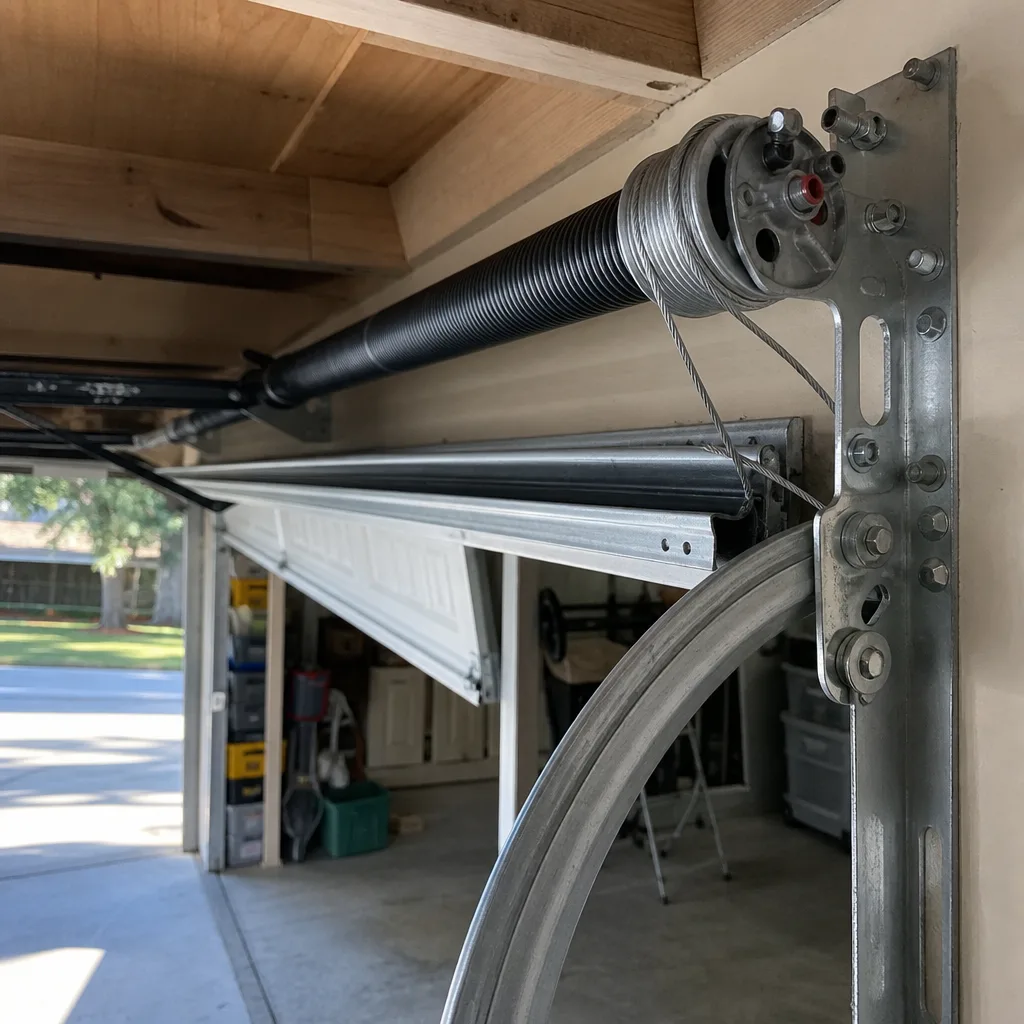
- Run a visual check on cables. Not a touch check. A visual check. Stand at least three feet back and look at both cables where they wrap around the drums near the top of the door. You’re looking for frayed strands, rust, or a cable that’s riding loose. Do not put your hand anywhere near them.
That’s the honest monthly list. Five items, maybe fifteen minutes total. If you do these and nothing else, you’ll catch most problems before they become emergencies. The urge to “do more maintenance” is how people hurt themselves and their doors.
Lubrication: Exactly What to Use and What Will Ruin Your Door
Most maintenance checklists say “lubricate moving parts” and leave it there. That vague advice is why Otto finds garage doors in Hill Country Village with rollers gummed up so badly the opener is pulling double duty just to move the door. Here’s the specific truth about garage door lubrication.
What to use: A silicone-based spray lubricant. White lithium grease works for metal-on-metal contact points, but it is not ideal for plastic rollers. The plastic used in nylon rollers absorbs petroleum products over time, which softens the material and shortens its life. Silicone spray is safe for metal, nylon, and rubber. Otto carries a specific brand on the truck because he knows it holds up in Texas heat without turning to sludge.
What will ruin your door in six months: WD-40, PB Blaster, or any general-purpose penetrating oil. These are solvents first, lubricants second. They strip whatever is there and then evaporate, leaving the parts drier than before. In Hill Country Village’s summer heat, the residue bakes into a sticky film that catches dust and pollen. Within six months, your rollers feel like they’re rolling through peanut butter.
Where to lubricate, specifically:
- Hinges: Two small drops where the hinge plates pivot. Every hinge, both sides of the door. A drop, not a spray. Overspray drips onto the door face and streaks the paint.
- Rollers: Lubricate the roller bearings only, not the wheel surface. The wheel needs to roll, not slip. Spraying the wheel means the roller slides in the track instead of turning, which flat-spots the wheel. If your rollers have sealed bearings, you can skip them entirely.
- Torsion springs: A light coating along the spring coils. This reduces friction between the coils as the spring winds and unwinds. Do not touch the spring. Spray from six inches away and let it settle.
- Track channels: Skip them entirely. Tracks do not need lubrication. Grease in the track attracts dirt and makes the rollers work harder. If your door is noisy on the track, the problem is alignment or worn rollers, not lack of grease.
Frequency matters. Twice a year is right for most Hill Country Village doors. Do it in April after pollen season peaks and again in October before the wind shifts. If your garage faces west and bakes in afternoon sun, consider three times a year. Heat accelerates lubricant breakdown.
The 90-Second Balance Test (No Tools, No Spring Touching)
This is the single most useful diagnostic a homeowner can do, and it never appears on generic checklists because it doesn’t involve any product to sell. Here’s how it works and what it’s actually telling you.
- Close the door all the way.
- Pull the red emergency release handle. This disconnects the door from the opener carriage. The door now moves freely by hand.
- Lift the door by the handle or bottom edge to about waist height.
- Let go.
Reading the result:
- Door stays put or moves an inch or two: Your springs are doing their job. The door is balanced. Reconnect the opener and move on.
- Door drops fast: Your springs are weak or broken on one side. The opener has been compensating for this by working harder than it should, which eats its lifespan. Call before the opener fails too.
- Door floats upward: Someone installed springs that are too strong, or a previous repair was done with the wrong parts. This puts stress on the cables and drums. Also a call.
- Door is heavy to lift but stays where you leave it: The springs are marginal. This is the earliest warning sign of spring fatigue. In Hill Country Village, spring life runs shorter than the national average because our temperature swings stress the steel more.
- Crushed or flattened sections: The seal should have a bulb or T-shape that compresses when the door closes. If sections stay compressed after the door opens, the rubber has lost its memory. It’s done.
- Cracks perpendicular to the track: UV damage shows up as splits, usually starting at the ends near the jambs. Once cracks start, they grow fast.
- Gaps of light under the door: Go inside on a sunny day with the door closed and look along the bottom. If you see daylight, water and critters are getting in. During storm season in Hill Country Village, that gap lets wind-driven rain push under the door and across your garage floor.
- Rubber shavings on the floor: The seal is disintegrating. The base of the seal channel is catching it and scraping pieces off with every cycle.
- Ants or crickets inside the garage: Insects find the gap before you do. If you’re seeing more bugs inside, check the seal.
- Spring cycle count and condition. Torsion springs have a rated cycle life, usually 10,000 cycles for standard residential springs, which translates to roughly 7-10 years for a door used four times a day. If your springs are nearing the end of that window, a checkup catches it before the spring snaps at 7 a.m. on a Monday with your car trapped inside.
- Bearing plate and roller stem wear. These are the parts you can’t see without taking the hinge apart. Worn roller stems wobble in the hinge, which wears the hinge hole oval-shaped, which eventually starts splitting the door section itself.
- Track alignment in all three planes. Tracks can shift out of parallel over time, especially on homes where the garage slab has settled. Hill Country Village sits on limestone with expansive clay in places, and slab movement shows up in garage door alignment.
- Opener force settings. An opener that’s set too strong will keep pushing through a door that’s binding, which bends parts. Too weak and it reverses mid-cycle. The force setting should be adjusted to the door’s actual condition, not left wherever the factory set it.
- Fastener torque throughout. Every bolt, every hinge screw, every track bracket. A door vibrating loose its own hardware is more common than people think, and one loose lag bolt in a track bracket turns a small problem into a dropped door.
- Cable and drum condition up close. This is one Otto does with the door safely braced, because he’s checking for the early signs of cable fatigue that homeowners can’t see from three feet away. A frayed cable never gets better on its own.
- Adjusting cable tension yourself. The cables on a torsion-spring door are under enormous load. When a cable slips or snaps under tension, it whips with enough force to break bone. This is the one task where a generic checklist can put you in the ER. Don’t do it. Ever.
- Greasing the track “to quiet the noise.” Grease in the track hides the symptom and makes it worse. The noise is telling you something is worn or misaligned. Fix the cause.
- Using the door after spotting a frayed cable. A frayed cable is a countdown. Every cycle frays more strands. When it lets go, the door can drop unevenly and jam in the tracks, which bends the track and the door sections. The repair bill triples.
- Replacing a spring yourself. Torsion springs store enough energy to launch a winding bar through drywall, or through a hand holding it wrong. Even among professionals, this is the tool that requires the most respect. Otto has the correct winding bars and the years to use them safely. Homeowners with a YouTube video do not.
- Ignoring a door that runs slower in winter. In Hill Country Village, temperature swings affect lubrication viscosity and spring tension. A door that moves like it’s wading through mud when the temperature drops below 50 has a marginal spring or old lubricant. It won’t fix itself in April.
- Buying the cheapest opener on the shelf at a big-box store and expecting it to match a real door. The opener must match the door’s weight, height, and cycle frequency. A light-duty opener on a heavy wood door in Hill Country Village burns through gears in two years. We cover opener repair and replacement across Hill Country Village, including matching the right unit to your door.
- Thinking maintenance is optional because the door “works fine.” Doors fail silently. Springs lose wind. Cables rust inside the drum. The first sign of a problem is rarely a warning noise; it’s a door that won’t open at 7 a.m. The maintenance is the warning system.
To reconnect the opener after the test, run the door all the way down by hand if it’s open, then press the wall button. The carriage will re-engage automatically on most LiftMaster and Chamberlain models. On Genie units, you may need to pull the release handle toward the door and run the opener until it clicks. Either way, this test tells you more about your door’s health than any checklist item. Otto counts spring cycles the way you count tire miles. This test is your dipstick.
Weather Seals After Hill Country Village Storm Season
Hill Country Village gets a specific pattern: late-spring storms with wind-driven rain from the southeast, then a stretch of dry, high-UV days that bake whatever moisture got trapped. That cycle is brutal on weather seals. The bottom seal on your garage door takes the worst of it because it sits in standing water after every heavy storm.
What to look for:
Replacing a bottom seal is a repair Otto does regularly, and it’s usually a same-visit job when you call. It’s a straightforward fix, but the seal must match your door’s thickness and the channel profile. A seal that’s too loose falls out; too tight and it binds in the channel. The wrong size is a waste of forty dollars and a Saturday morning.
Cedar and Oak Pollen: Why April and May Are Different Here
The Hill Country pollen calendar is not the same as San Antonio’s. Cedar (technically Ashe juniper) kicks off the season in January, but the heavy oak pollen hits in March and April, right when people start opening garages more as the weather warms. By May, everything coats everything in a fine yellow-green film.
For your garage door, pollen matters in two places: the track channels and the photo-eye sensor lenses.
Track channels: Pollen is sticky. It mixes with whatever lubrication is in the track or on the roller stems and forms a paste. That paste builds up in the track radius at the top of the door, where the track curves from vertical to horizontal. The door slows perceptibly at that curve. If you hear grinding in April, that’s what it is. If you’ve followed this checklist and kept tracks dry, the pollen doesn’t stick as badly. If you or a previous homeowner greased the tracks, pollen season makes it worse.
Sensor lenses: The photo-eye sensors sit about six inches off the floor, right at the height where wind swirls pollen through the bottom of the door opening. A thin film on the lens diffuses the infrared beam just enough that the sensor sees a weak signal and acts like something is in the way. The door reverses when you try to close it. This is the most common service call Otto runs in May, and it takes longer to drive to the house than to fix. Wipe the lenses weekly during peak pollen, not monthly.
If your opener is a LiftMaster or Chamberlain with the newer LED status lights, you’ll see a blinking pattern that indicates sensor fault. The manual tells you the same thing; the fix is still a dry cloth on the lens.
The Seasonal Checkup: What Otto Looks For on Every Hill Country Village Visit
Twice-yearly professional maintenance is the right cadence for most doors, and in Hill Country Village the timing should be April or May (post-pollen, pre-heat) and October or November (post-storm, pre-cold). Here’s what a thorough checkup includes, and what Otto is actually looking at when he goes through a door. Browse our more guides & resources for year-round garage door care.
If any of this sounds like something you’d rather not wait on, we repair garage doors across Hill Country Village with the same checklist, and we quote before we touch anything.
Common Mistakes to Avoid
When to Call a Professional
Some jobs are homeowner-safe. Some are not. The line is simple: if it involves a spring under tension, a cable, a track adjustment, or anything that requires you to put your hands near the parts that store energy, call a professional for Garage Door Repair services. In Hill Country Village, that means calling a shop that answers with a real person and sends someone whose name is on the van.
Otto’s Garage Door offers free estimates in Hill Country Village. Call (830) 215-8185. We quote the price on the phone or on arrival, and that number holds. If you’re not sure whether something is safe to touch, call and ask. The answer costs nothing.
Frequently Asked Questions
Twice a year is right for most garage doors in Hill Country Village: once in April after oak pollen peaks, and once in October before the cooler season starts. If your garage door faces west and takes direct afternoon sun, do it three times a year. Use a silicone-based spray, not WD-40 or any penetrating oil, which strips lubrication and leaves parts drier than before.
No. The cables on a torsion-spring door carry the same tension as the springs, and when they release that energy unexpectedly, it’s dangerous. A frayed cable or a cable that has slipped off the drum requires a professional with the right tools and bracing. Call Otto’s Garage Door at (830) 215-8185 and we’ll handle it safely, with upfront pricing that doesn’t change between the phone and the driveway.
In Hill Country Village, the most common cause of a door reversing during April and May is pollen film on the photo-eye sensor lenses. The film diffuses the infrared beam and the opener reads it as an obstruction. Wipe both lenses with a dry microfiber cloth weekly during pollen season. If the problem continues, the sensors may be misaligned or failing, and we can diagnose it on a service visit.
Run the 90-second balance test: close the door, pull the red release handle, lift the door to waist height, and let go. If it drops quickly, your springs are weak or broken. If it floats up, the springs are too strong. In either case, the springs need professional attention. Springs have a rated cycle life, and most residential springs in Hill Country Village last seven to ten years with normal use.
First, disconnect the opener using the red release handle and try to lift the door by hand. If it opens, the problem is the opener mechanism. If it’s too heavy to lift, a spring has failed and you’re looking at an emergency spring replacement. Either way, call (830) 215-8185. A live person answers around the clock, and Otto quotes the job on the call.
Yes. We offer twice-yearly maintenance visits that cover the full seasonal checkup: spring cycle count, cable inspection, track alignment, roller and hinge condition, opener force settings, and lubrication with the correct products. Call (830) 215-8185 to schedule, or ask about our garage door installation in Hill Country Village if you’re considering a full replacement instead of ongoing maintenance.
The Bottom Line
Your garage door in Hill Country Village will last longer and fail less often if you do five simple things monthly: watch one full cycle, wipe the sensor lenses, check track alignment, scan for seal debris, and visually inspect cables from a safe distance. Add silicone-based lubrication twice a year, and run the balance test quarterly. Leave springs, cables, and track adjustments to a professional. That’s the whole list. For Garage Door Warning Signs: A Hill Country Village Homeowner’s Reference Guide and other help, call Otto’s Garage Door at (830) 215-8185 and ask. If it’s after hours, a real person still answers.
Written by Otto Reinhardt, Owner at Otto’s Garage Door, serving Hill Country Village since 2004.