

Last updated September 11, 2026
Full 25-point door and opener safety check with every visit - springs, cables, rollers, tracks, and your LiftMaster or Chamberlain opener included
You get a price before we start. It does not change when the truck arrives.
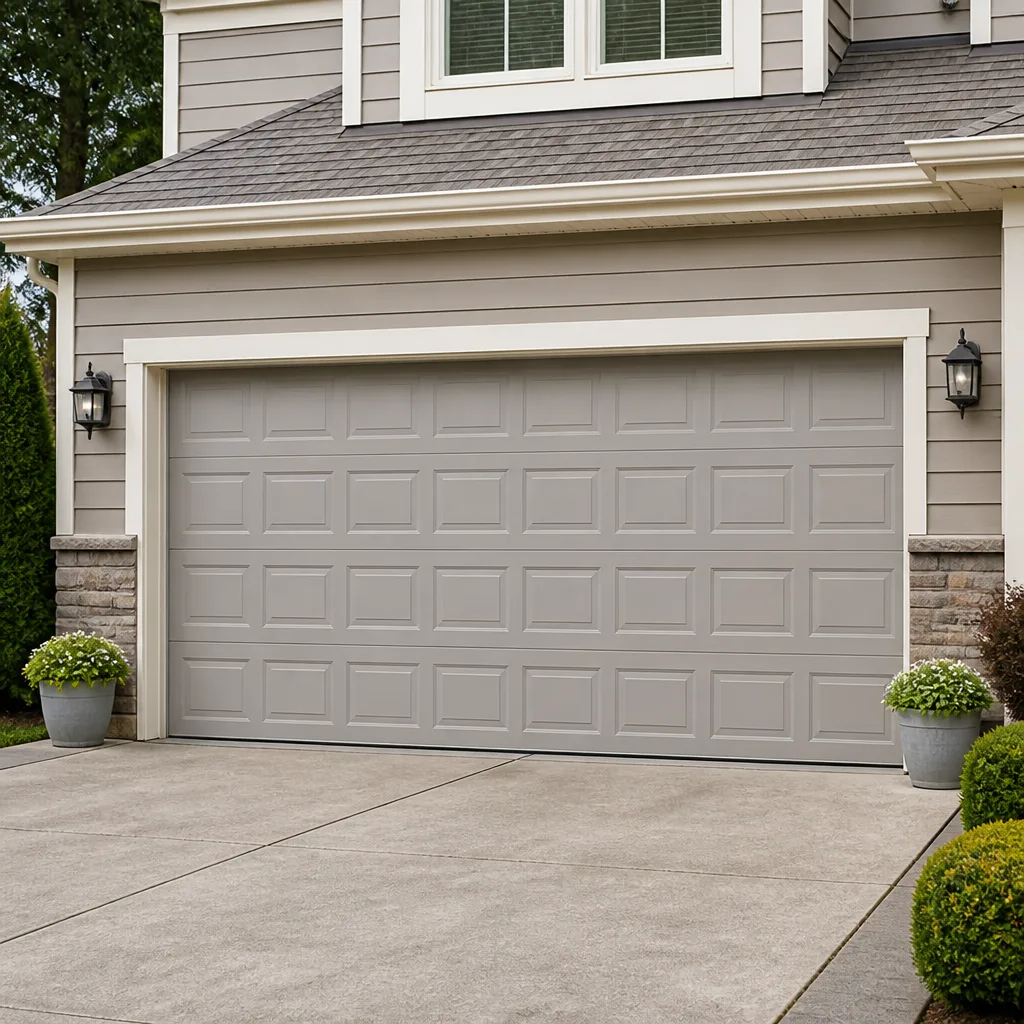
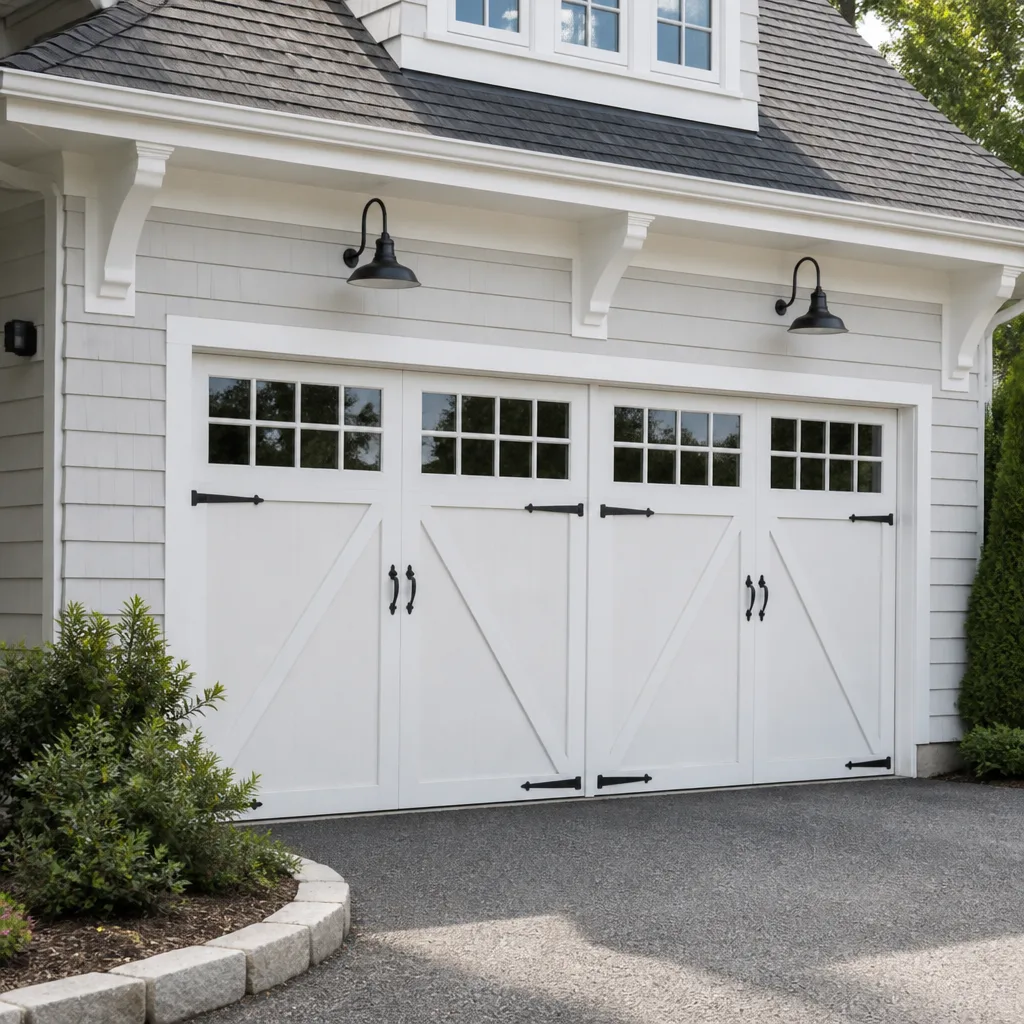
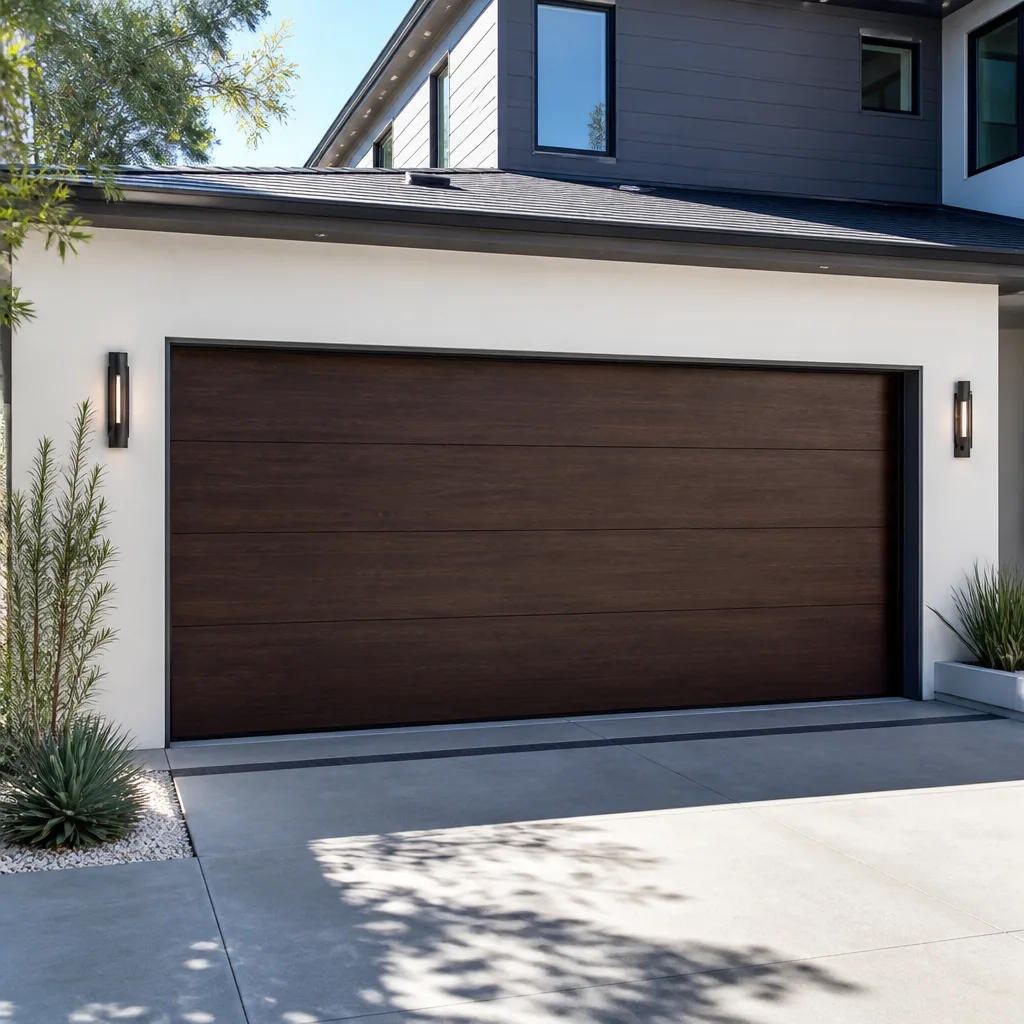
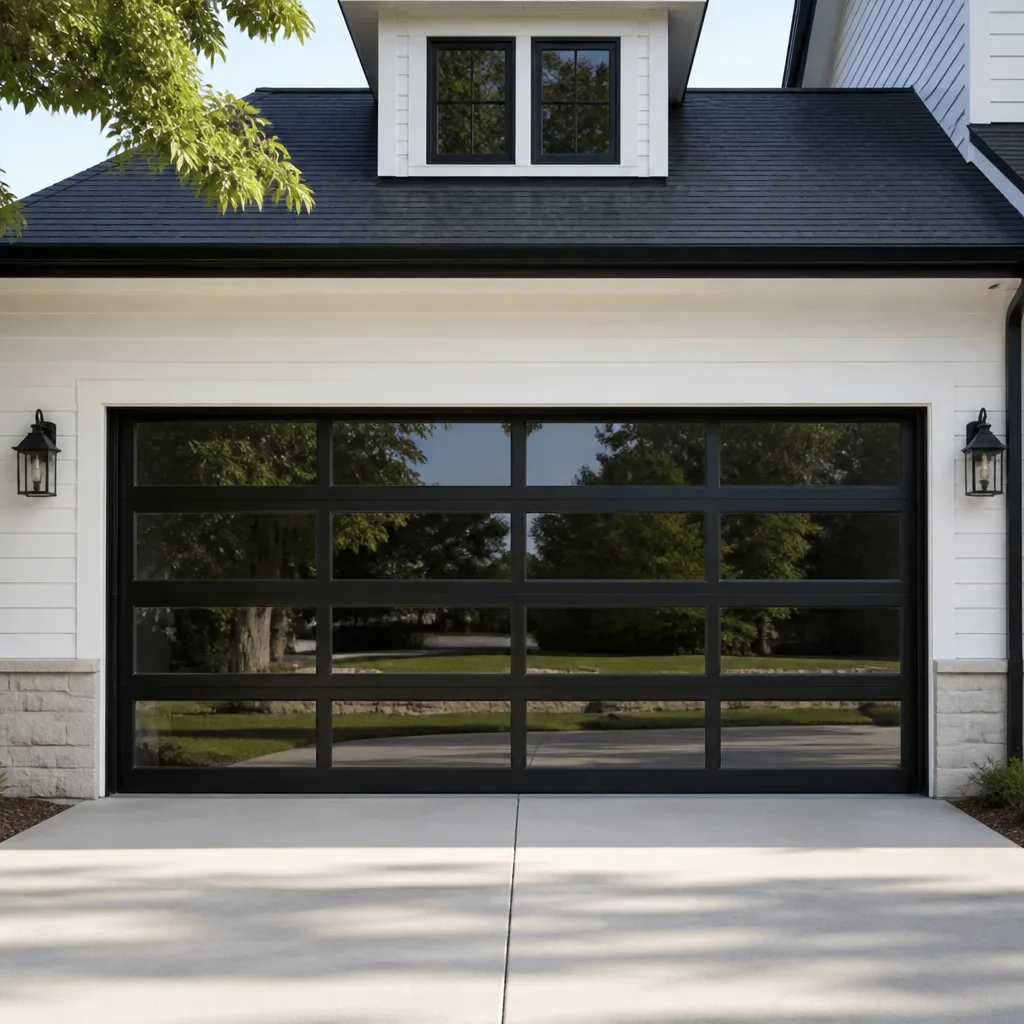
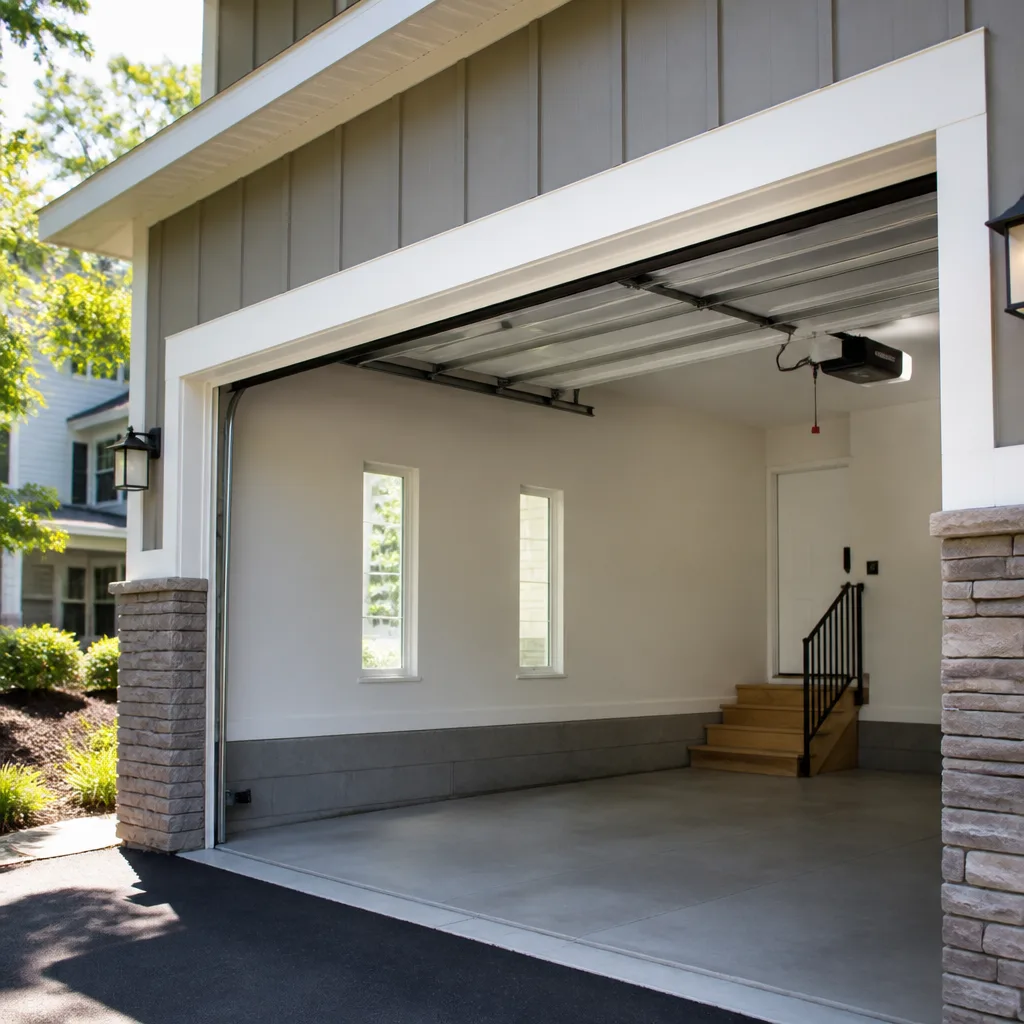
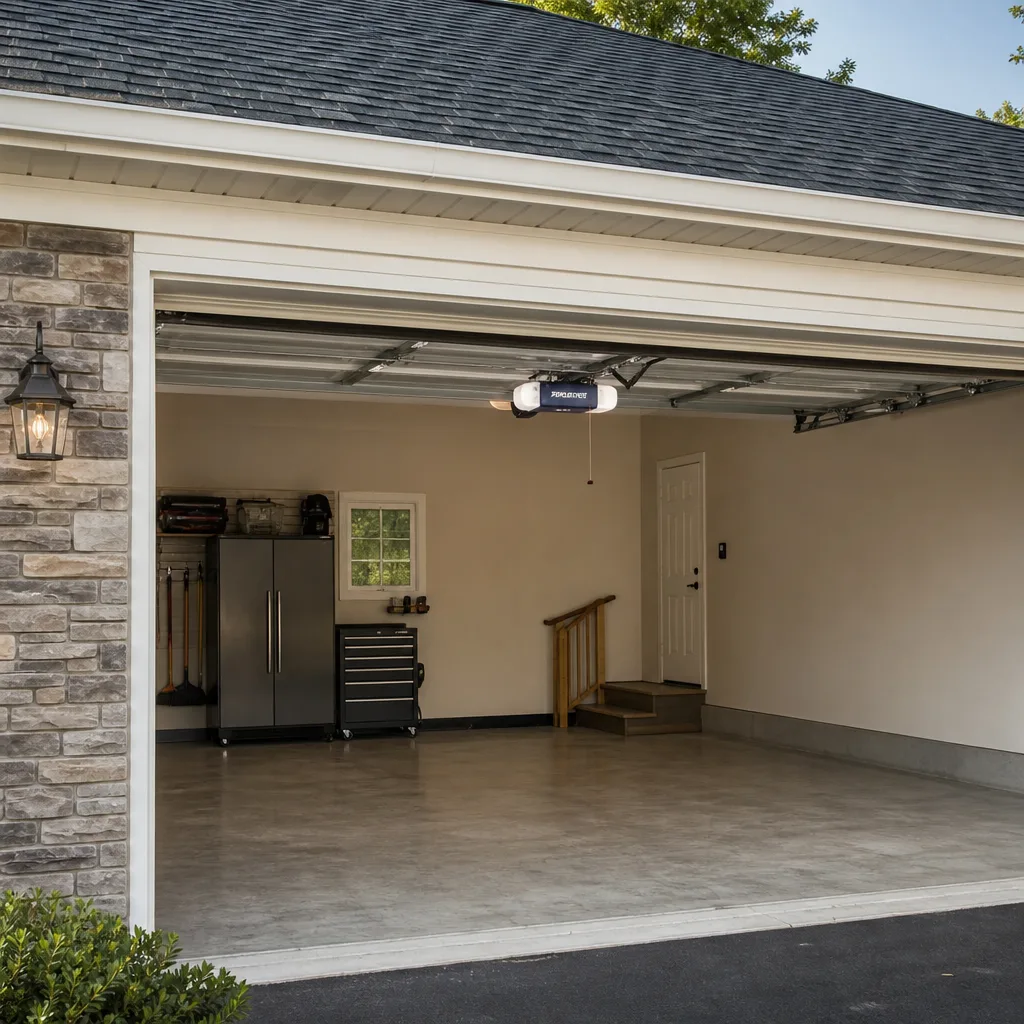
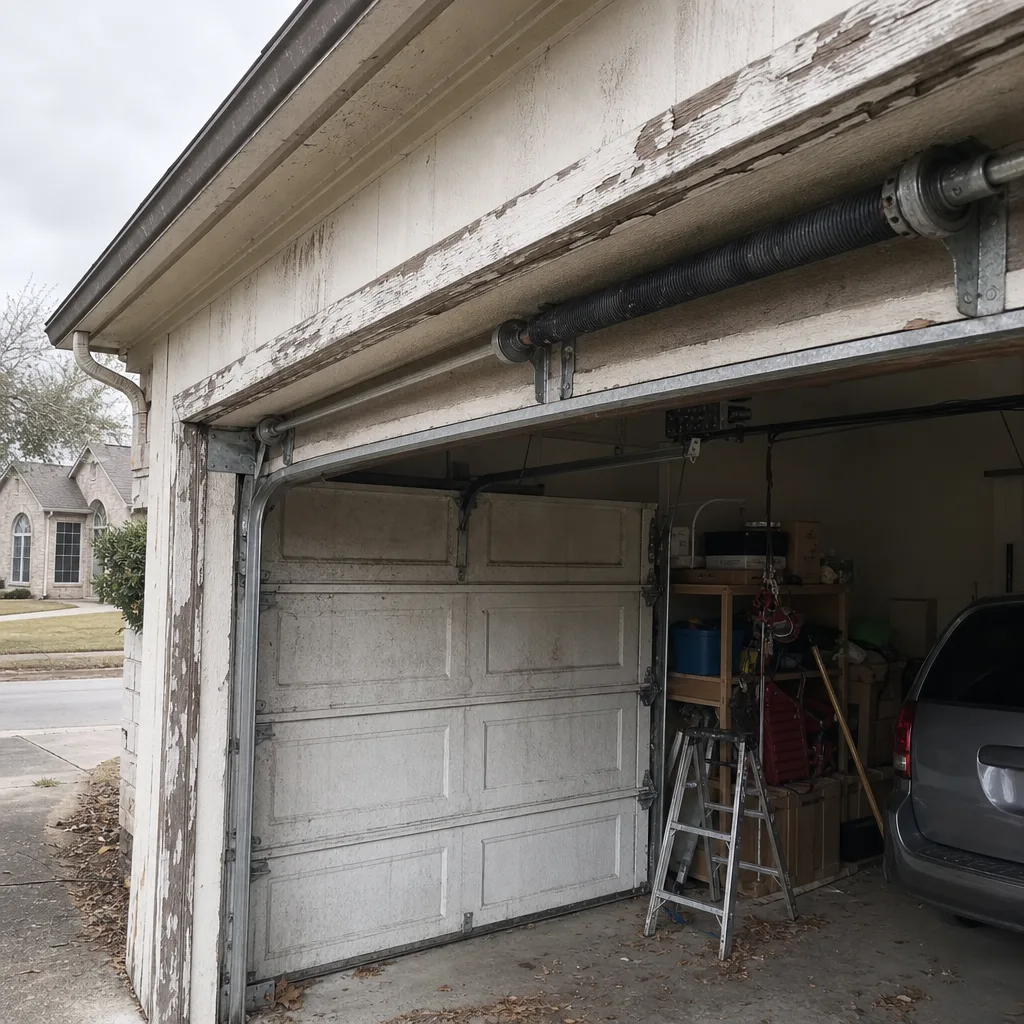 Before
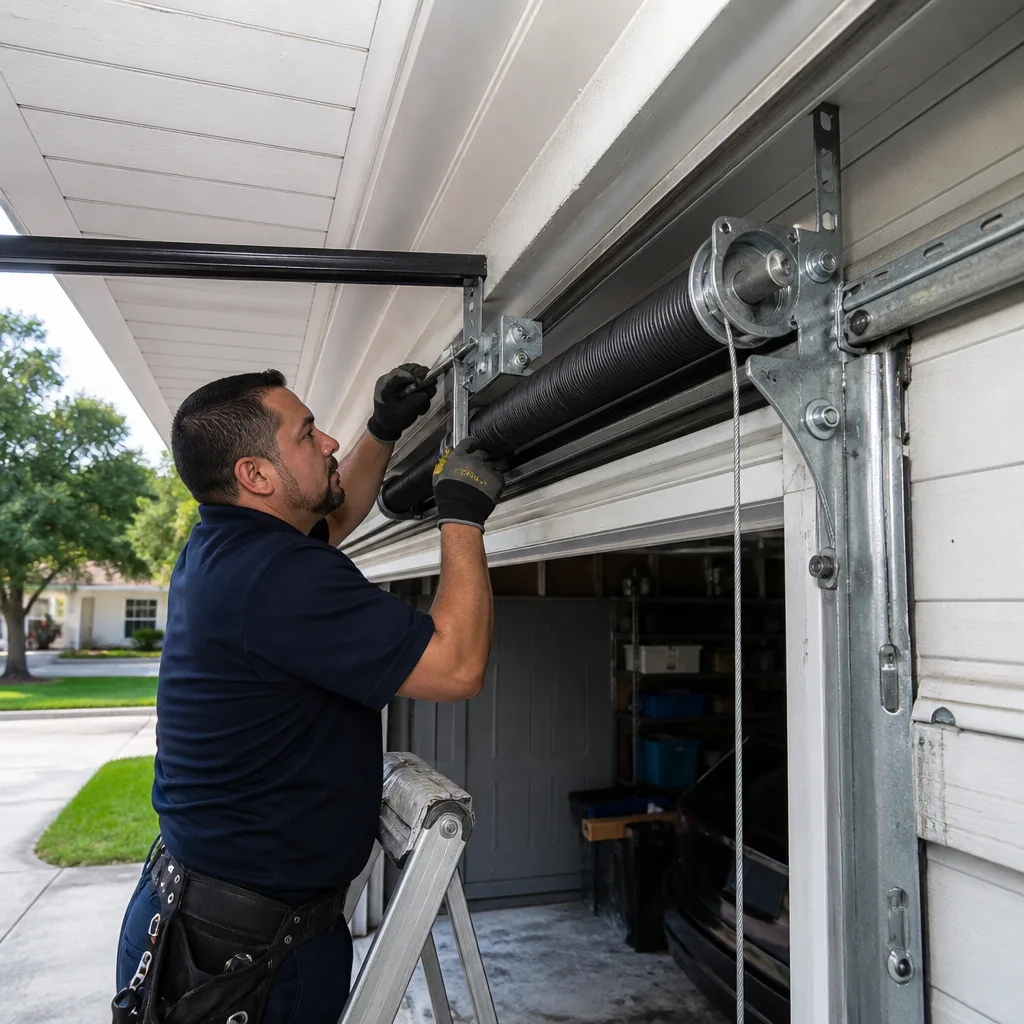 After
After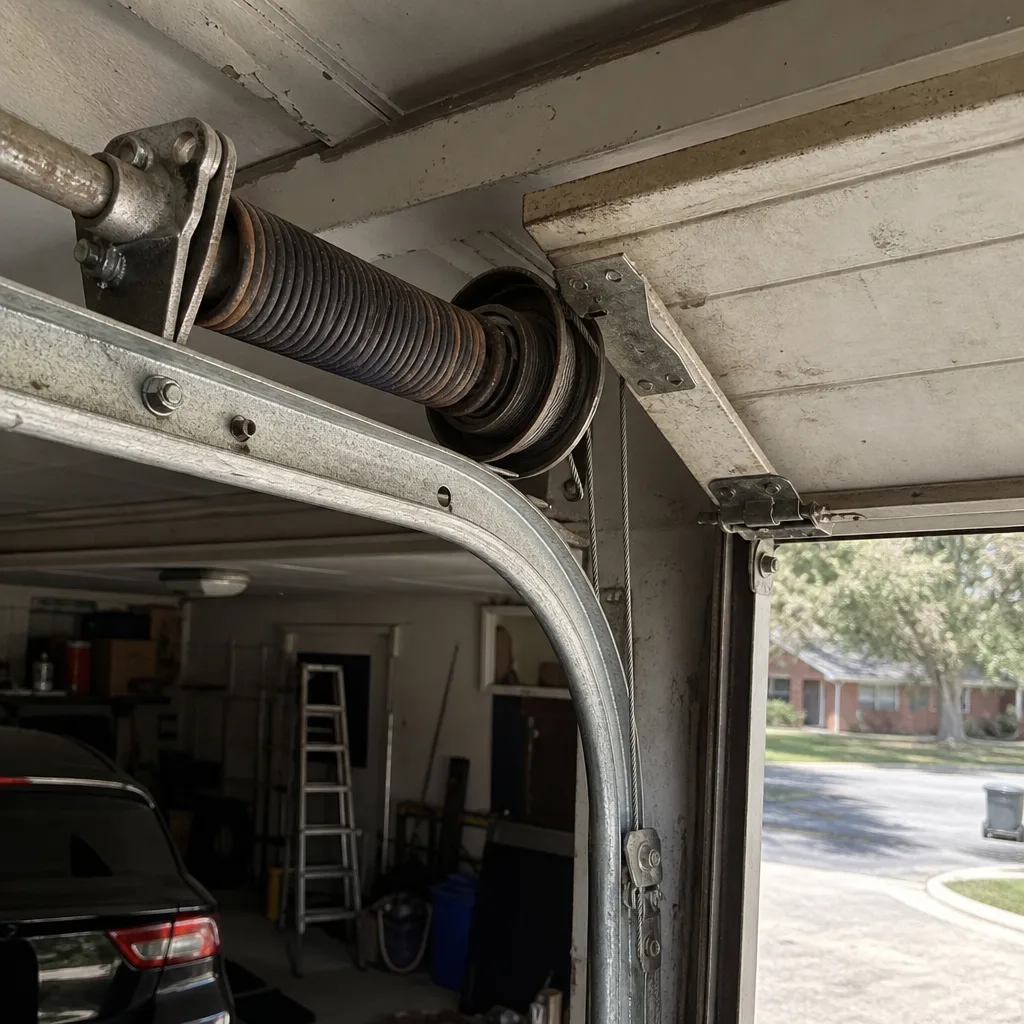 Before
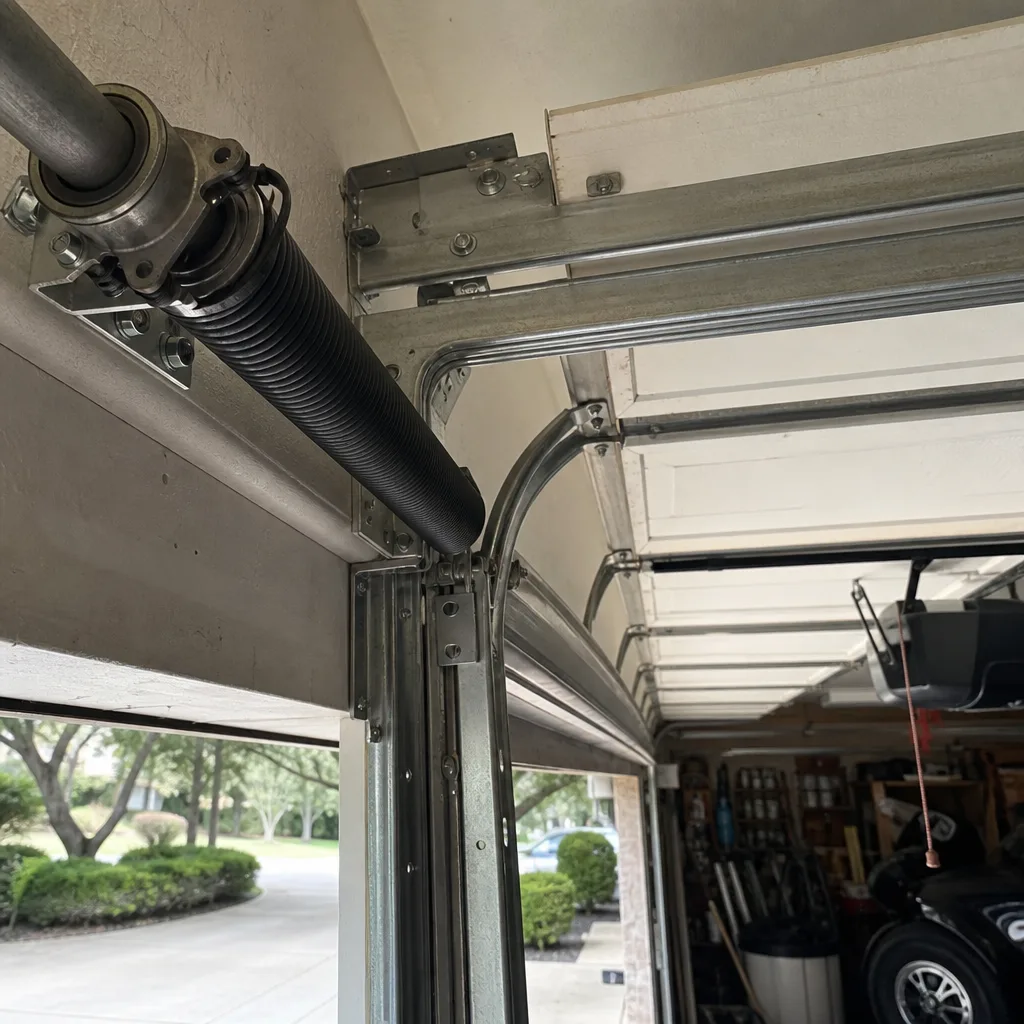 After
After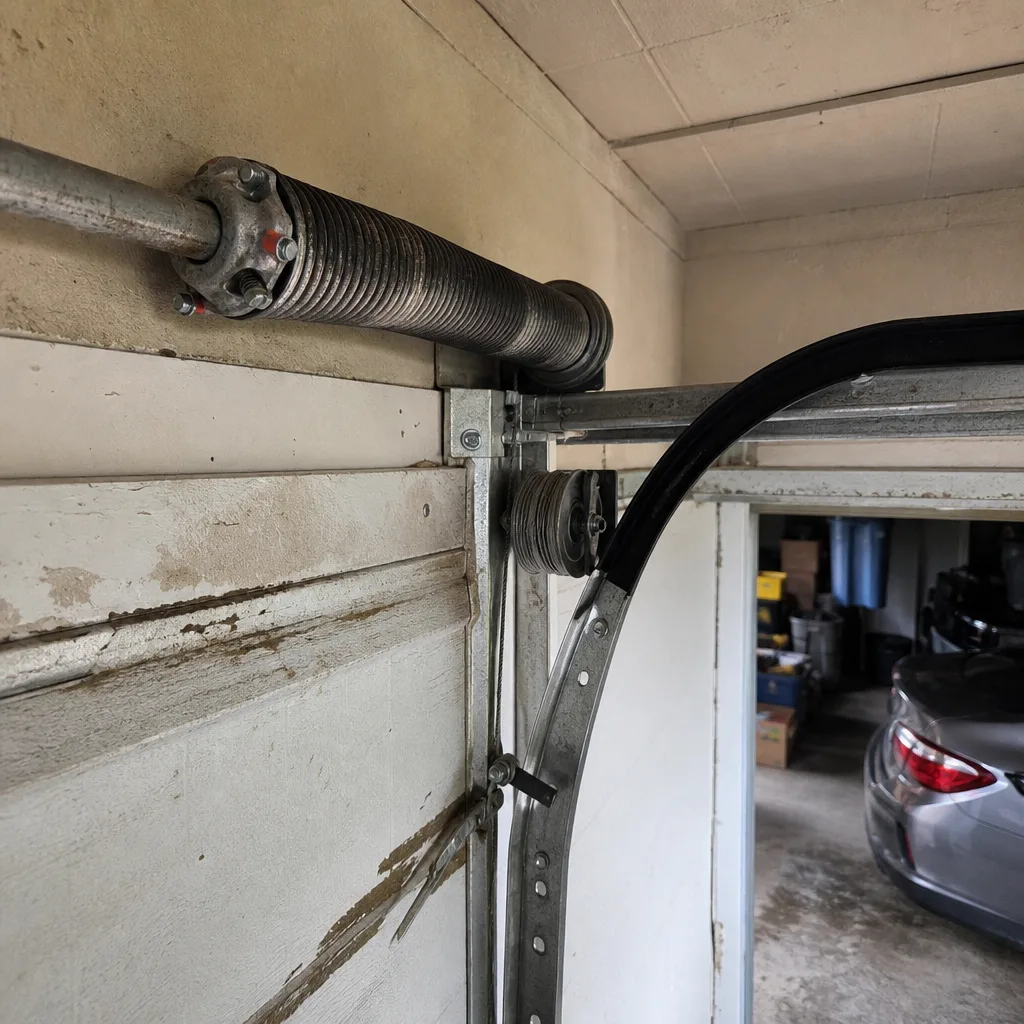 Before
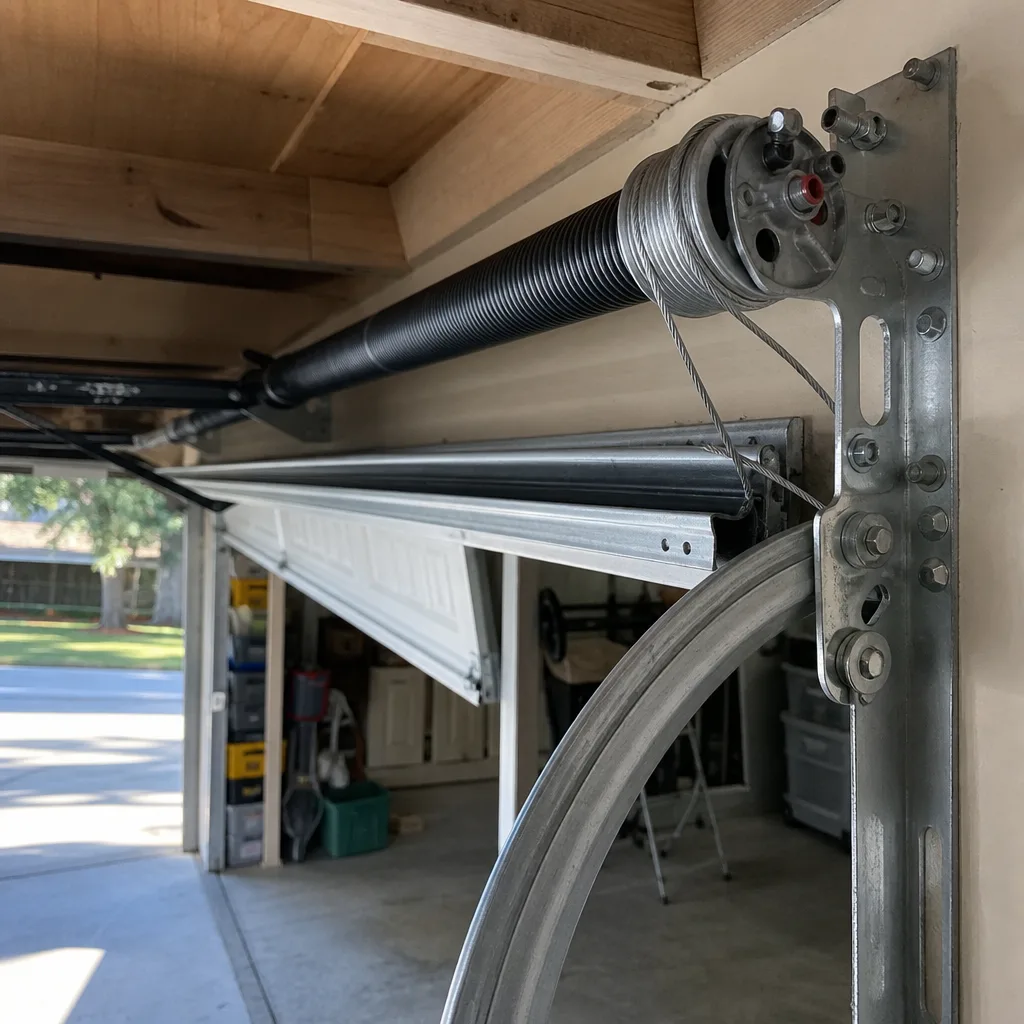 After
AfterSeasonal Garage Door Care for Hill Country Village: Year-Round Homeowner’s Guide
February 2021 proved something we’d suspected for years: the garage doors most likely to fail during a Hill Country ice event aren’t the old ones with worn rollers and creaky hinges. They’re the ones with newer openers whose battery backups had never been tested, whose weather seals had dried out in two straight summers of 100-degree heat, and whose owners assumed “new” meant “ready for anything.” One season’s neglect set people up for failure in a completely different season. That’s the thing about Hill Country Village: the calendar says four seasons, but what we actually get is two brutal transitions, one stretch of genuinely mild weather, and a winter that’s mostly fine until a surprise ice event locks up every spring in the neighborhood at once. This guide is built around those real Texas rhythms, not the generic spring-summer-fall-winter template you’ll find everywhere else. By the end, you’ll know exactly what to check, when to check it, and what actually matters versus what’s just busywork. We’ve been fixing doors in Hill Country Village since 2004, and we’ll tell you straight: most seasonal garage door failures are preventable with about ninety minutes of attention per year, spread across the right months.
Quick Answer
Seasonal garage door care in Hill Country Village means timing your maintenance around two critical windows: March through April (pre-storm prep before spring downpours) and September through October (the post-summer reset before the first cold front). A door is 200 pounds riding on two springs, and the heat, humidity, and surprise ice events in Central Texas punish specific components at specific times of year. The short version: lubricate the rollers and hinges twice a year with a silicone-based product, test your opener’s battery backup before every major weather season with a 60-second unplug test, inspect the weather seal each fall and replace it if it’s cracked from summer heat, and have the torsion springs checked in early spring and again in late summer. Skip any of those four steps and you’re betting against a Texas weather pattern that has already proven it will win.
Table of Contents
- The Real Calendar: Hill Country Village’s Two Brutal Transitions
- Pre-Storm-Season Prep (March-April): What Actually Takes on Water
- Summer Heat Protocol: Why Torsion Springs Die Faster in August
- The Fall Reset: The Most Skipped Step Otto Sees
- Winter Readiness for Central Texas: Cold Fronts, Condensation, and Ice Events
- Battery Backup Testing: The 60-Second Test That Would Have Saved Dozens of Doors
- A Simple Lubrication Guide for Hill Country Village Homeowners
- Common Mistakes to Avoid
- When to Call a Professional
- Frequently Asked Questions
- The Bottom Line
The Real Calendar: Hill Country Village’s Two Brutal Transitions
We’ve been working on garage doors in Hill Country Village for over two decades, and we can tell you exactly when our phone starts ringing. It’s not random. The calls cluster around the same weeks every year: mid-March when the first big spring storm rolls through, mid-August when the heat has been cooking garage interiors for six straight weeks, and the occasional icy morning in January or February when every spring that was already tired decides to let go at once.
Here’s what the actual maintenance calendar looks like for a Hill Country Village garage door, based on what we’ve seen across hundreds of local homes:
- February: The calm before the storm season. This is the month to do pre-storm prep, because once March hits, you’ll be reacting instead of preparing.
- March-April: Spring storm window. Downpours, wind, and the first real test of your door’s weather seals and hardware coatings.
- May-June: The mild stretch. This is the best time for bigger projects like garage door installation in Hill Country Village because the weather is predictable and the door isn’t fighting extreme temperatures.
- July-August: Heat peak. Garage interiors regularly hit 110 degrees or higher, and that’s when torsion springs lose tension faster and lubricants break down.
- September-October: The fall reset. After summer, before the first cold front. This is the most skipped maintenance step we see in Hill Country Village, and it costs homeowners more than any other oversight.
- November-January: Cold front season. Mostly mild, but a sudden freeze can expose every weak point that summer left behind.
The key insight here is that spring and fall aren’t the “nice” seasons where maintenance is optional. They’re the two windows where the work actually matters, because they set up your door to survive the extremes on either side. A door that gets its spring prep done in February will handle the March downpours without a problem. A door that gets its fall reset done in October will shrug off a January ice event. Skip either one and you’re rolling dice.
Pre-Storm-Season Prep (March-April): What Actually Takes on Water
Hill Country Village spring storms are a particular kind of weather. They come in fast, dump an inch or two of rain in an hour, throw some wind around, and leave. The damage to garage doors isn’t the dramatic stuff like a tree branch through the panel. It’s the slow water intrusion that starts with small gaps and ends with rusted hardware, swollen weather seals, and sensor failures.
Here’s what actually takes on water during a Hill Country Village spring downpour, and what treating it in February prevents:
- Bottom weather seal: This is the rubber strip along the bottom of the door. When it’s cracked or compressed from years of service, water runs underneath the door and pools on the garage floor. That standing water then wicks up into the bottom panel and causes rot or rust on steel doors. In Hill Country Village, where spring storms drop water fast, a bad bottom seal is the number one cause of water damage to garage doors.
- Top and side weatherstripping: The rubber or vinyl strips around the door’s perimeter. Wind-driven rain gets pushed into any gap, and once water gets inside the track system, it accelerates rust on the rollers and hinges.
- Track brackets and mounting hardware: The L-brackets and bolts that hold the track to the wall. When water sits on these, they rust. A rusted bracket is a bracket that’s one strong wind gust away from loosening, and a loose track is how doors come off their rails.
- Sensor lenses: The photo eyes at the bottom of the door track. Spring storms kick up dirt and debris, and a fine film of splashed water mixed with dust can coat the lenses just enough to cause intermittent false readings. The door will hesitate, reverse, or refuse to close, and most people assume the sensor is broken when it just needs a wipe.
The fix in February is straightforward and takes under an hour:
- Inspect the bottom seal. Look at it from inside the garage with the door closed. If you can see daylight under any section, or if the rubber feels stiff and cracked when you press on it, it needs replacing. This is a cheap part and a quick fix for anyone who knows what they’re doing.
- Check the perimeter weatherstripping. Run your hand along the top and sides of the door from inside. If you feel air moving or can see gaps, the stripping needs attention before the storm season starts.
- Tighten track bolts. Use a socket wrench on every bolt you can see on the track system. They vibrate loose over time, and spring winds will find the weak ones.
- Clean the sensor lenses. A dry cloth is all it takes. Don’t use water or cleaner, just wipe the dust off.
- Lubricate the rollers and hinges. More on this later, but February is one of the two times a year this should happen.
We get calls every March from homeowners in Hill Country Village whose doors suddenly won’t close during the first big storm of the season. Almost every time, the underlying cause is something that would have been caught by this February checklist. The water damage doesn’t happen during the storm, it happens in the weeks and months after, as rust sets in and seals fail quietly.
Summer Heat Protocol: Why Torsion Springs Die Faster in August
I count spring cycles the way you count tire miles. Every time your door goes up and down, that’s one cycle. A standard torsion spring is rated for around 10,000 cycles, which on a door that opens four times a day works out to roughly seven years. But that number assumes normal operating conditions. A garage interior in Hill Country Village in August is not normal operating conditions.
Here’s the thing about heat and torsion springs: steel expands when it gets hot, and a garage that sits in full Texas sun can reach 110 to 120 degrees inside during a July or August afternoon. When the spring metal is that hot, it’s operating outside its ideal temperature range, and every cycle puts slightly more stress on the wire than it would at 75 degrees. Over a summer of 100-degree days, that extra stress adds up. Springs that would have lasted until next spring start showing fatigue in August. We see it every year: a cluster of spring failures in late August and early September, right after the hottest stretch.
Here’s how to spot early spring fatigue before it snaps:
- Look for gaps in the coil. When a torsion spring is healthy, the coils are tight and even along the entire length. When it’s fatigued, you’ll see small gaps open up between individual coils, usually in the middle section first. If the spring doesn’t sit tight and uniform, it’s nearing the end.
- Check the door balance. Pull the emergency release cord and lift the door manually to about waist height. If it stays put, the springs are holding tension correctly. If it falls or feels heavy, the springs have already lost tension and are working twice as hard to lift the door. This is the single most useful test you can do at home.
- Listen for unusual sounds. A healthy door with a good opener should be relatively quiet. If you’re hearing creaking, popping, or a groaning sound from the spring area when the door moves, that’s metal fatigue announcing itself.
- Watch the door’s movement. If the door shudders or jerks partway up instead of moving smoothly, the springs aren’t distributing force evenly anymore.
Summer also attacks the lubricant. Products that contain petroleum break down faster in extreme heat, becoming sticky and gummy instead of slick. That’s why we recommend silicone-based lubricants for Hill Country Village doors: they hold up better in high temperatures and don’t attract dust the way oil-based products do. A door that’s been lubricated with the wrong product in June will be a door that’s grinding and straining by August.
One more summer-specific warning: the heat doesn’t just affect the springs. It also warps and degrades the weather seals, which is exactly what set so many people up for failure during the 2021 freeze. The seals dried out and cracked during those two brutal summers, and when the ice came, they had no flexibility left to seal against the cold. Summer neglect becomes winter failure. It happens every year in Hill Country Village.
The Fall Reset: The Most Skipped Step Otto Sees
If I had to name one maintenance step that Hill Country Village homeowners skip more than any other, it’s the fall reset. Spring prep gets done because people see the storms coming. Summer gets attention because doors are visibly struggling in the heat. But September and October? The weather finally cools off, the door is working again, and everyone breathes a sigh of relief and moves on. Meanwhile, the summer just spent months quietly degrading every soft component on the door, and the first cold front is going to expose all of it.
The fall reset is about undoing summer’s damage before winter has a chance to exploit it. Here’s what it involves:
- Re-test the door balance. Same test as summer: pull the release cord, lift the door to waist height, see if it stays. If it was borderline in August, it’s probably worse now. A door that’s out of balance in October will be a door that won’t open at all in January when the cold makes everything tighter and more brittle.
- Inspect and replace the weather seals. This is the big one. Walk the perimeter of the door and check the bottom seal and side stripping. If the rubber is cracked, stiff, or compressed flat, replace it now. The seal that fails in October is the one that lets a January ice storm’s cold air pour into your garage and freeze your opener’s components.
- Re-lubricate the rollers, hinges, and springs. Summer heat broke down whatever lubricant was there. A fresh application of silicone-based lubricant in October means the door will move smoothly when the temperature drops and the metal contracts. Cold metal is harder on moving parts than warm metal, and lubricant is the buffer.
- Check the opener’s force settings. Most openers have a force adjustment that controls how hard the motor pushes or pulls. When a door is out of balance or dragging from summer wear, the opener compensates by working harder. Before winter, make sure the opener isn’t straining against a door that needs a spring adjustment. If the opener is straining, the problem is almost never the opener.
- Test the auto-reverse safety feature. Place a roll of paper towels or a piece of scrap wood in the door’s path and close it. The door should reverse within a second of touching the object. If it doesn’t, the opener needs attention before winter when cold hands and cold sensors make everything slower.
The fall reset takes about 45 minutes and costs nothing if the seals are still good and the springs are holding. But it’s the difference between a door that handles January fine and a door that fails on the coldest morning of the year when you’re already running late.
Winter Readiness for Central Texas: Cold Fronts, Condensation, and Ice Events
Hill Country Village winters are mostly mild, and that’s exactly why they catch people off guard. A garage door that’s been cruising through 50-degree December days suddenly has to function at 15 degrees during a freeze event, and every component that was marginal in mild weather becomes a failure point in the cold.
Here’s what the cold actually does to a garage door system, and what to do about it before the next freeze:
Lubricant choices matter more than you’d think. Petroleum-based lubricants thicken when temperatures drop fast. What was a smooth, slick coating at 60 degrees becomes a sluggish, sticky mess at 20 degrees. Silicone-based lubricants don’t have this problem, which is why we recommend them for Hill Country Village doors year-round. If you used a petroleum product in the summer, now is the time to clean it off and switch. The difference between the two products is invisible until the temperature drops and your door suddenly moves like it’s pushing through mud.
Cold morning condensation is a sensor killer. The photo eye sensors at the bottom of the door track are sensitive to moisture, and Central Texas winter mornings produce exactly the kind of condensation that coats them. When a sensor lens has moisture on it, the beam scatters, and the door’s safety system thinks something is in the way. The door will refuse to close, or it’ll stop and reverse halfway down. The fix is usually just wiping the lenses dry with a clean cloth, but if it’s happening repeatedly, the sensors may be misaligned or the lens may be scratched from years of cleaning with abrasive materials. A garage door opener in Hill Country Village that’s been properly maintained will have sensors that are clean, aligned, and protected from the worst of the condensation.
Ice accumulation on the door face. During a genuine ice event, the panels themselves can freeze together, especially if the door has a wood grain texture or any kind of overlay that catches ice. When panels freeze together, the door can’t bend at the section joints, and the opener ends up trying to lift a solid slab. That’s how openers burn out their motors. Before a forecast freeze, run the door a few times to keep the joints loose, and if ice has already formed, don’t force it. Let it thaw naturally or gently break up the ice on the joints before operating the door.
The metal contracts. Steel tracks, rollers, and hinges all shrink slightly in genuine cold, which makes everything tighter. A door that was borderline in terms of balance or alignment will announce its problems on a cold morning. This is why the fall reset matters so much: if you caught the small issues in October, they won’t become big issues in January.
We’ve seen what a proper winter prep looks like, and we’ve seen what neglect looks like. During Winter Storm Uri, the difference was stark: doors that had been maintained through the fall reset opened and closed (when there was power), and doors that hadn’t were frozen shut or had openers that failed when the backup batteries were dead. One season’s consistency is what separates those outcomes.
Battery Backup Testing: The 60-Second Test That Would Have Saved Dozens of Doors
Here’s the thing that no one thinks about until it’s too late: your opener’s battery backup is not a set-it-and-forget-it feature. It’s a battery, and batteries degrade whether you use them or not. The 2021 freeze proved this in the worst possible way. Dozens of Hill Country Village homeowners had openers with battery backups that were sold as the safeguard against power outages, and when the power actually went out, the backups did nothing. Not because the units were defective, but because the batteries had never been tested since installation and had quietly died months or years earlier.
The test takes 60 seconds, and you should do it before every major weather season: before spring storms, before summer heat, and definitely before winter freeze potential. Here’s the procedure:
- Unplug the opener from the ceiling outlet. Do this with the door closed.
- Press the wall button or remote to open the door. If the battery backup is working, the door will open at a slower speed, typically about half the normal rate. That’s normal for backup power.
- Close the door using the same button. Again, expect slower operation.
- Plug the opener back in. The door should return to full speed on the next cycle.
- If the door doesn’t move at all on battery power, the battery needs replacing. It’s that simple.
Most battery backup units use a sealed lead-acid battery that lasts three to five years. If your opener was installed more than five years ago and you’ve never tested or replaced the backup battery, assume it’s dead. The unit in the opener gave you a false sense of security the entire time it sat there not working.
This is also a good time to check the age of your opener overall. A garage door repair in Hill Country Village call for a dead opener during a power outage is the worst kind of call to have to make, because it’s completely preventable. We’d rather see you test the battery on a sunny afternoon in October than discover the problem at nine at night when the power is out and your vehicle is sealed inside. That’s exactly the call Otto answers himself, and it’s a call you shouldn’t have to make.
A Simple Lubrication Guide for Hill Country Village Homeowners
Lubrication is the single highest-impact maintenance task you can do yourself, and it’s also the one people get wrong most often. The wrong product or the wrong application is worse than skipping it entirely, because a sticky, dust-covered roller or hinge will bind up faster than a dry one.
Here’s the no-nonsense version for Hill Country Village conditions:
- Use a silicone-based garage door lubricant. Not WD-40, not motor oil, not white lithium grease. WD-40 is a solvent, not a lubricant, and it’ll strip whatever coating is on there and leave the metal dry. Motor oil attracts dust and turns into grinding paste. White lithium grease is too thick for rollers and will gunk up in the summer heat. A quality silicone spray made specifically for garage doors is the right product, and it’s available at any hardware store in the area.
- Lubricate the rollers. The rollers are the wheels that ride in the track, but you don’t lubricate the wheel surface that touches the track. You lubricate the roller bearing, which is the metal rod the wheel spins on. A quick shot of silicone spray on each roller bearing, and you’re done.
- Lubricate the hinges. The hinge plates on each door section have pivot points where the sections bend. A quick spray on each pivot point keeps the door from creaking and binding when it bends at the joints. This matters more in winter when the panels want to freeze together and the hinges need all the help they can get.
- Lubricate the torsion spring. Coat the spring along its entire length with a light layer of silicone spray. This reduces friction between the coils as the spring winds and unwinds, which extends its life and keeps the door movement smooth. Don’t soak it, just a light coat.
- Don’t lubricate the track. This is the most common mistake. The track is designed to be dry so the rollers can grip and roll against it. If you spray the track, you’ll attract dust and dirt, and the rollers will slide instead of roll, which wears everything out faster.
Twice a year: once in February as part of pre-storm prep, and once in October as part of the fall reset. That’s it. Ten minutes per session, a $10 can of spray, and you’ve eliminated the single most common cause of avoidable wear on your door.
Common Mistakes to Avoid
- Using WD-40 as a lubricant. It’s a solvent and a water displacer, not a lubricant. It’ll strip whatever protection the metal had and leave it dry and vulnerable to rust. In Hill Country Village’s humid spring months, that rust starts faster than you’d think.
- Lubricating the track. The track needs to stay dry so the rollers can roll. Spraying it with any product turns it into a dust magnet, and the resulting gunk causes more drag than no lubrication at all.
- Skipping the fall reset because the door “works fine.” September and October are when the door is on its best behavior because the weather is mild. That’s exactly when you should be looking for the damage summer left behind, not congratulating yourself on avoiding it.
- Not testing the battery backup. The backup that hasn’t been tested is, for practical purposes, a backup that doesn’t exist. The 60-second test takes less time than finding the extension cord you’ll need when the power is out and the door won’t move.
- Ignoring a door that’s slightly out of balance. A door that’s 10% out of balance makes the opener work 20% harder, which shortens the opener’s life and accelerates spring fatigue. The balance test takes 30 seconds and tells you more than any other diagnostic.
- Replacing the opener before checking the door. When the opener is struggling, the problem is almost never the opener. It’s usually a door that’s out of balance, a spring that’s lost tension, or rollers that haven’t been lubricated in years. A new opener on a bad door is a waste of money, and the new opener will burn out just as fast as the old one did.
When to Call a Professional
We’re all for doing your own maintenance where it’s safe, but there are jobs that should never be DIY. Torsion springs are under enough tension to seriously injure or kill you if they let go while you’re working on them. The same goes for cables: when a cable snaps, it moves fast enough to cut. If your door is off its track, if a spring is broken, if a cable is frayed, or if the door fell while operating, stop and call someone who does this every day. A door is 200 pounds riding on two springs. Respect it.
For everything else, Otto’s Garage Door offers free estimates in Hill Country Village, and the price we quote on the phone is the price on the invoice when the work is done. Call (830) 215-8185 and Otto will answer himself, or someone from his crew will, and you’ll get a straight answer about what’s wrong and what it costs to fix. No dispatch center, no call center three states away. The name on the van is the name on the license, and he’s been serving this area since 2004. You can also learn more about what we do at Otto’s Garage Door home.
Frequently Asked Questions
Twice a year is right for Hill Country Village conditions: once in February before spring storm season, and once in October as part of the fall reset. The summer heat breaks down lubricants faster than the mild winter months, so the October application is the one that carries you through the coldest stretches. Use a silicone-based garage door lubricant, never WD-40 or motor oil, and skip the track entirely. Call (830) 215-8185 if you want us to do it as part of a full seasonal tune-up.
Unplug the opener from the ceiling outlet with the door closed, then press the wall button to open the door. On battery power, the door should open at roughly half speed. If it doesn’t move at all, the backup battery is dead and needs replacing. Do this test before every major weather season, because an untested backup is a backup that will fail exactly when you need it. We test these on every garage door opener in Hill Country Village service call, and the number of dead batteries we find would surprise you.
Torsion springs have a rated cycle life, and extreme heat accelerates the metal fatigue that shortens that life. A garage interior in Hill Country Village can hit 110 to 120 degrees in July and August, and every open-and-close cycle in that heat puts extra stress on the spring wire. Springs that were already past the halfway point of their service life tend to fail in clusters during the hottest weeks. That’s why we recommend a spring inspection in late summer: catching early fatigue before the snap is always cheaper than a broken spring call.
No. Torsion springs are under enough tension to cause serious injury or death if they release while you’re working on them, and garage door cables move fast enough to cut when they snap. If a spring is broken, call a professional who has the right tools and training. Otto’s Garage Door handles garage door repair in Hill Country Village with the same care we’d give our own doors, and the price is always quoted and agreed before any work starts. Call (830) 215-8185 for an exact quote.
In our experience, it’s a door that’s out of balance because the springs have lost tension, and the homeowner doesn’t notice until the opener starts struggling or a spring finally snaps. The heat plays a role, but so does simple age: most residential torsion springs last seven to ten years in our climate, and a lot of Hill Country Village homes are past that mark. The 30-second balance test catches this early, which is why we mention it constantly.
Yes, weather seal replacement is one of the most common services we do in Hill Country Village, especially in the fall after summer heat has dried and cracked the rubber. The bottom seal and perimeter stripping are cheap parts that make a big difference, and replacing them before winter prevents the cold air intrusion and moisture problems that come with a failed seal. The price is quoted upfront and doesn’t change between the phone call and the driveway. Call (830) 215-8185 for a free estimate.
The Bottom Line
Garage door care in Hill Country Village isn’t about following a generic four-season checklist. It’s about understanding the two brutal transitions that actually define our climate: the spring storm window that punishes water intrusion, and the summer heat peak that cooks springs and seals before winter gets a chance to exploit the damage. The work that matters happens in February and October, not because the calendar says so, but because those are the months that set your door up to survive whatever comes next. Lubricate with silicone twice a year, test your battery backup every season, check your door balance every few months, and replace your seals before the cold arrives. Ninety minutes a year, and you’ll avoid the vast majority of failures we see. Ask anyone on your street: we’ve been in this county since 2004, and Otto is a palindrome, reads the same from either end, same as the door.
Written by Otto Reinhardt, Owner at Otto’s Garage Door, serving Hill Country Village since 2004.